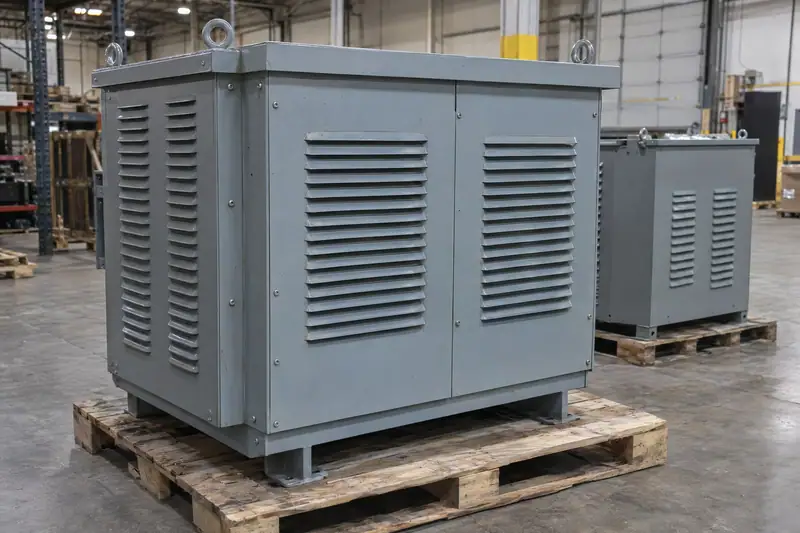
Square D is Schneider Electric’s long-standing North American brand. Square D dry-type transformers are among the most common units in Virginia commercial and institutional buildings, so sellers may have one transformer from a renovation or several from a facility shutdown. We buy these units, along with medium-voltage dry-type, cast resin, pad-mount, and unit substation transformers.
The Square D name identifies the brand, but the nameplate tells us what you have. A ventilated transformer feeding a building panel is different from a transformer connected to Power-Zone switchgear. Our transformer nameplate guide explains the fields that help distinguish the equipment before you request an offer.
01Square D transformer types we buy
We buy Square D single-phase transformers from 10 kVA and three-phase transformers from 15 kVA through MVA-class power units. For general-purpose equipment, identify whether the transformer is ventilated dry-type, enclosed, or part of a larger electrical assembly. Send the actual ratings rather than estimating capacity from cabinet dimensions.
For general-purpose dry-type transformers, voltage combinations such as 480 V primary and 208Y/120 V secondary help establish the application. Medium-voltage equipment needs a closer look at its insulation system, primary voltage, and configuration. A brand label alone does not distinguish cast resin construction from other dry-type designs.
We also buy Square D-branded pad-mount equipment and transformers associated with unit substations. Photograph each unit’s own nameplate, even when several pieces share a lineup. If the transformer carries a different manufacturer’s name from the adjoining switchgear, describe it that way rather than labeling the entire assembly Square D.
02Identify the transformer, not just the Square D enclosure
A clear nameplate photo is the strongest starting point when you want to sell Square D transformer equipment. Include the complete plate, with enough resolution to read the catalog or model number, serial number, and manufacturing date or year when shown. Do not infer the transformer’s age from a nearby panelboard or switchgear label.
We pay attention to kVA, phase, frequency, primary and secondary voltages, impedance, and tap information. For a dry-type unit, include temperature rise and insulation class if listed. For liquid-filled equipment, capture the fluid designation, fluid quantity, and cooling class, such as ONAN or ONAN/ONAF.
Overall photos should show the enclosure, access panels, connection compartments, and any visible damage. Photograph labels identifying winding material or construction where available; do not guess copper versus aluminum from the brand. Keep covers closed if opening them would expose energized parts, and use existing records for details that cannot be photographed safely.
- Record the catalog or model number and serial number separately for each unit.
- Show the full primary and secondary voltage designations, including wye or delta markings.
- Include the year or date code exactly as displayed, without decoding it by guesswork.
- Identify missing panels, terminals, accessories, or sections in the condition notes.
03Power-Zone sections and the transformer beside them
Square D Power-Zone is the brand’s low-voltage switchgear and unit substation line, so transformers are often paired with Power-Zone sections. A Power-Zone label on the low-voltage lineup does not establish the transformer’s kVA, voltage ratio, or manufacturer. We need the transformer plate as well as an overall view of the connected assembly.
For transformers in unit substations, show the incoming side, transformer section, and outgoing switchgear in separate photos. Explain whether the seller is offering the transformer alone or whether adjoining sections remain attached. This distinction matters for understanding connection arrangements, equipment dimensions, and the proposed pickup scope.
Include available drawings, overall dimensions, and component weights when they are already documented. Note whether bus connections, transition compartments, fans, or temperature devices are present. Sellers must use their own qualified electricians to de-energize and disconnect equipment; we do not perform electrical disconnect work.
04Condition details that matter for Square D equipment
We buy used and decommissioned Square D transformers as well as new-surplus units. Describe whether the transformer was operating when removed, stored after a project change, or taken out of service following a fault. For unused equipment, photographs of packaging, terminals, and the enclosure help distinguish unused inventory from equipment that was previously installed.
On ventilated dry-type units, note water exposure, heavy contamination, damaged windings, missing covers, or overheating marks. For cast resin transformers, photograph visible cracks or damaged coil surfaces without attempting repairs. If inspection or test reports already exist, send them with the equipment identification so the records can be matched to the correct serial number.
For oil-filled or other liquid-filled units, identify the fluid from the plate or records, including FR3 natural ester if documented. PCB status must be disclosed and documented. Report leaks and fluid-related damage without draining the transformer; we do not ask sellers to drain fluid, and failed or damaged units are reviewed case by case.
05Common Virginia sources of surplus Square D transformers
Commercial renovations can leave behind Square D dry-type transformers that previously supplied lighting, receptacles, or tenant equipment. Institutional projects at schools, campuses, and healthcare buildings can produce similar surplus when distribution systems change. The useful description is the transformer’s rating and condition, not simply the type of building it came from.
Industrial equipment changes can produce larger transformers or complete substation assemblies. Contractors may also hold unused units after a specification change, while facility owners may have spares that no longer match their installed systems. Separate installed takeouts from unused stock, and list each serial number when multiple units look alike.
We serve sellers in every region of Virginia and review equipment in neighboring states and nationwide on request. Include the actual equipment location and storage setting. A transformer in a basement electrical room presents different access questions from one stored at ground level with an accessible loading area.
06Send a clearly identified Square D transformer package
To sell Square D transformer equipment, send clear nameplate and overall photos, location, quantity, and condition notes through the equipment offer form. We review the information and may ask about PCB status, test data, or site access. If the equipment fits, we send a written offer stating price, freight, loading, and payment terms; pickup is scheduled with you, and payment follows those terms. See how the purchase process works for details.
Virginia Transformer Buyers is an independent buyer, not affiliated with Square D, Schneider Electric, Virginia Transformer Corp of Roanoke, or any other manufacturer. Brand names describe the equipment being offered. If your inventory includes other manufacturers, our transformer brands page provides a starting point for organizing a mixed-brand list.
Frequently asked questions
Do you buy used Square D dry-type transformers from office buildings?
Yes, Virginia Transformer Buyers buys used Square D dry-type transformers from office buildings and other facilities. Include the kVA, primary and secondary voltages, serial number, and condition. Tell us whether the unit was operating when removed and whether any panels or connections are missing. Sellers must arrange de-energizing and disconnection through their own qualified electricians.
Is a Power-Zone label enough to identify my transformer?
No, a Power-Zone label alone does not identify the transformer’s ratings or manufacturer. Square D Power-Zone is the brand’s low-voltage switchgear and unit substation line, and transformers are often paired with those sections. Send the transformer’s separate nameplate and photos showing its position in the lineup, along with details of which components you are offering.
Can I sell a Square D transformer without knowing its manufacturing year?
You can submit a Square D transformer without knowing its manufacturing year. Send the complete nameplate, catalog or model number, and serial number, plus any available equipment records. Leave the year unknown if it is not documented rather than guessing from the enclosure style. The electrical ratings and condition are still important information for our review.
Do you buy unused Square D transformers left over from a project?
Yes, we buy new-surplus Square D transformers left over from projects or held as spare inventory. Describe whether each unit remains packaged, was unpacked for storage, or was installed but never energized. Include photos of the nameplate, enclosure, and available accessories. For multiple matching units, provide the quantity and a separate serial number for each.
Will you review a failed Square D medium-voltage transformer?
Yes, failed Square D medium-voltage transformers are reviewed case by case. Explain the known failure, including winding damage, overheating, water exposure, or an external fault if documented. Send existing test reports and photographs without performing additional work solely for the submission. For liquid-filled equipment, disclose and document PCB status and identify the fluid from available records.
Are you part of Square D or Schneider Electric?
No, Virginia Transformer Buyers is not affiliated with Square D or Schneider Electric. We are an independent buyer of surplus, used, new-surplus, and decommissioned transformers, with failed units reviewed case by case. Square D and Schneider Electric names are used only to describe equipment, not to imply manufacturer authorization, endorsement, or a corporate relationship.