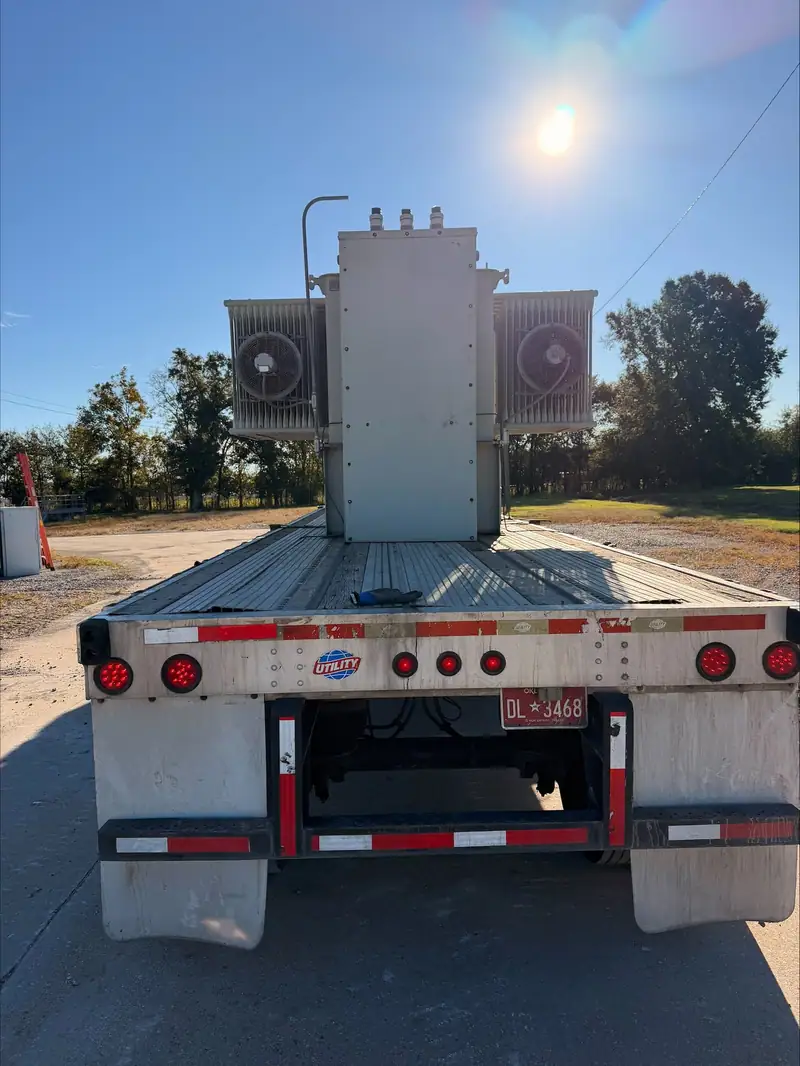
A transformer does not have to be worn out to become surplus. A cancelled expansion, revised electrical design or replacement strategy can leave a useful unit sitting in a crate, warehouse or disconnected equipment area. We buy surplus transformers based on what the equipment is, how it has been stored and what the seller can document.
Virginia Transformer Buyers serves sellers throughout the state. We buy all brands, including equipment originally ordered for industrial facilities, commercial buildings and renewable-energy projects. Our transformer buying categories cover oil-filled, dry-type, cast resin, pole-mount, pad-mount, substation and power units. Failed or damaged equipment is reviewed case by case.
01What counts as a surplus transformer?
Surplus describes an owner's need for a transformer, not a particular condition grade. A factory-packaged spare and a transformer removed after years of service can both be surplus. The distinction matters because unused status, operating history and storage conditions tell a buyer different things about the equipment.
New-in-crate overages often come from duplicate orders or projects that changed after procurement. Warehouse spares may never have been energized, but their age, packaging and storage history still matter. Cancelled-project units may have been delivered, set in place or partially assembled without entering service.
Removed-from-service transformers need a different description. Tell us whether the unit was operating when disconnected, why it was replaced and whether any fault or leak was reported. Do not label a unit 'new' simply because it looks clean; explain what you know and identify any gaps in its history.
- Unused overages: equipment purchased beyond the final project requirement.
- Standby spares: reserve units no longer needed for the installed system.
- Cancelled-project equipment: transformers left after a project stopped or changed.
- Retired operating units: disconnected equipment no longer needed by its owner.
02What a surplus transformer buyer does
A surplus transformer buyer purchases equipment from its current owner rather than supplying a replacement transformer to that owner. We buy single-phase units from 10 kVA and three-phase units from 15 kVA through MVA-class power transformers. A useful starting point is our transformer size overview, especially when an inventory mixes distribution and larger power equipment.
Buying surplus requires more than reading a kVA number. Voltage configuration, construction, condition and available accessories help distinguish one unit from another. A 500 kVA liquid-filled pad-mount with a 12470GrdY/7200 primary and 480Y/277 secondary is not interchangeable with every other 500 kVA transformer.
We are an independent buyer, not affiliated with any manufacturer, including Virginia Transformer Corp of Roanoke. Manufacturer names identify the equipment being offered. Our interest is in the actual unit and its specifications, whether it is a single spare or part of a larger surplus inventory.
03How we evaluate surplus equipment
We start with the nameplate: manufacturer, serial number, kVA or MVA, phase, primary and secondary voltages, frequency and impedance. Tap information and cooling designations also matter. For larger liquid-filled units, ONAN and ONAF ratings can identify different capacities under natural-air and forced-air cooling arrangements.
We pay attention to completeness. Show bushings, cabinets, terminal compartments, radiators and any separate accessories included in the sale. For dry-type equipment, show the enclosure and accessible winding condition without opening energized equipment. Our nameplate reading guide explains which fields to capture when labels are crowded or weathered.
Documentation helps separate a well-described spare from an unknown asset. Include available factory reports, maintenance records or test data, but do not invent missing history. For liquid-filled units, identify the fluid where known, such as mineral oil or FR3 natural ester. PCB status must be disclosed and documented; fluid appearance alone does not establish it.
04Unused does not mean storage history is irrelevant
An unused transformer may have spent years in storage. Tell us whether it remained indoors, sat outdoors or moved between locations. Photograph the packaging as well as the equipment, and note visible shipping damage, corrosion, moisture exposure or missing parts. A crate is useful context, but it is not proof of condition.
For surplus dry-type transformers, moisture, contamination and enclosure condition are important details. For liquid-filled units, report visible leaks, damaged bushings or missing gauges. Keep loose accessories identified with the correct transformer so a buyer can tell which components belong to each serial number.
Do not energize a stored unit just to demonstrate that it works, and do not drain fluid for a sale inquiry. Use your own qualified electricians for de-energizing and disconnecting installed equipment. We do not perform electrical disconnect work or provide engineering, legal or environmental advice.
05Questions to ask any surplus transformer buyer
Choose among surplus transformer buyers by looking at the written terms, not just a quoted number. An offer should identify the equipment and explain what the amount covers. Ask whether the offer depends on stated condition, included accessories or documentation that has not yet been supplied.
Freight and loading deserve separate questions. Who arranges transportation, who is responsible for loading, and what site access is required? A transformer inside a building presents different removal constraints than one already staged at an accessible loading area. Give accurate weight and access information rather than assuming those details can be resolved later.
Ask how PCB documentation is handled and when payment is due under the agreement. We spell out price, freight, loading and payment terms in our written offers. For a closer look at the factors behind equipment value, read our transformer valuation guide.
- Will I receive a written offer identifying the units being purchased?
- Who handles freight, loading and required site arrangements?
- What PCB status documentation is required?
- What are the payment timing and conditions?
- Which accessories and records are included in the purchase?
06Selling surplus transformers across Virginia
We buy from sellers in every region of Virginia, including Northern Virginia, Richmond, Hampton Roads, the Shenandoah Valley and Southwest Virginia. Location matters for transportation and access planning, not just the city name. Our Virginia service overview covers the statewide focus; equipment in neighboring states and nationwide is also reviewed on request.
Send a clear nameplate photo, overall photos, location, quantity and condition notes. We review the information and may ask about PCB status, test data or site access; if the equipment fits, we send a written offer, schedule pickup with you and pay according to the written terms. See how the buying process works for details.
If you have several spares or project leftovers, identify each unit separately rather than sending only a total kVA figure. A simple inventory matched to photos helps prevent confusion between similar units. Submit your surplus transformer details with known storage history and any missing components clearly noted.
Frequently asked questions
Can I sell a transformer that is still in its original crate?
Yes, we buy new-surplus transformers still in their original crates. Include the nameplate information, packaging photos and any available order or factory documentation. Tell us when it was purchased, whether it has ever been energized and how it was stored. Original packaging helps describe the unit, but it does not replace condition information.
Does a transformer have to be unused to qualify as surplus?
No, a used transformer can be surplus when its owner no longer needs it. We buy removed-from-service units as well as unused spares and project overages. State whether it was operating before disconnection and why it was retired. Failed or damaged units are reviewed case by case, so disclose known faults rather than describing them only as surplus.
Can I sell several surplus transformers with different voltages?
Yes, we buy surplus inventories containing different voltages, sizes and transformer types. List each unit's quantity, serial number, rating, voltage configuration and condition separately. Match its nameplate and overall photos to that entry. Two units with the same kVA may have different connections or accessories, so a combined capacity total is not enough.
What if my surplus transformer is missing accessories?
Disclose missing accessories so we can review the transformer as it actually sits. Identify absent fans, radiators, gauges, cabinets or other components, and photograph any loose parts included with it. Do not assume a component stored nearby belongs to that unit. Missing parts can affect completeness and the basis of a written offer.
Can I sell an older oil-filled spare without PCB records?
You can send an inquiry, but PCB status must be disclosed and documented. Tell us which records are available and which are missing; do not infer PCB status from the oil's appearance or the transformer being unused. We may ask for additional documentation during review. We do not provide environmental advice or ask sellers to drain fluid.
Will unused surplus automatically be worth more than used equipment?
No, unused status alone does not determine a transformer's value. Ratings, voltage configuration, completeness, storage condition and documentation also matter. An unused unit with moisture damage or missing components needs a different description from a complete, documented spare. We use the actual equipment details rather than treating every new-surplus transformer as equivalent.