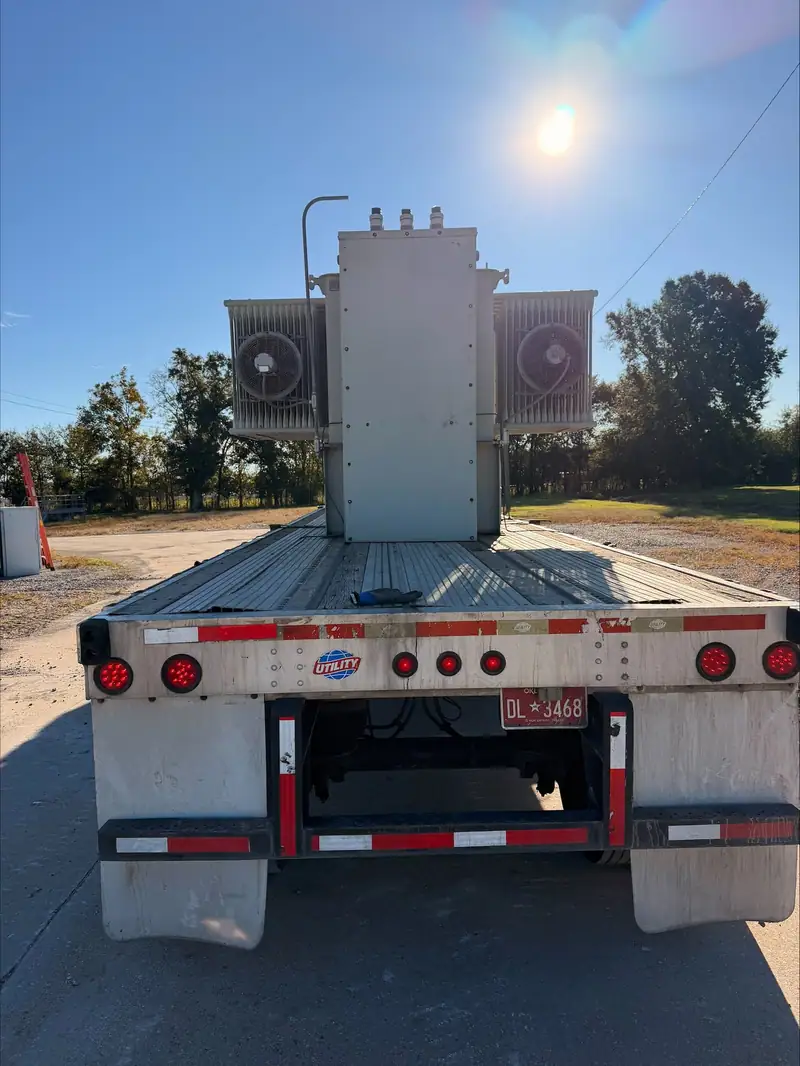
A large power transformer is more than its MVA rating. Voltage ratio, impedance, winding connections, cooling stages and physical dimensions determine whether it can fit another installation. We buy all brands and sizes, including station spares, retired operating units and cancelled-project equipment that never entered service.
If you need a power transformers buyer for equipment at a Virginia substation, generation plant or industrial facility, send the full nameplate rather than just the headline capacity. Our 30 MVA and larger transformer page covers larger ratings; this page explains the records, accessories and transport details that matter across power-transformer sizes.
01Power Transformers, GSUs and Autotransformers We Buy
We buy two-winding power transformers, generator step-up transformers and autotransformers. A GSU connects generator output to a higher-voltage system, so generator-side voltage and winding connections matter alongside the transmission-side rating. Include any tertiary winding rating and connection shown on the nameplate.
An autotransformer shares part of its winding between voltage levels, unlike a conventional two-winding transformer with electrically separate windings. Send the high-, low- and tertiary-voltage information, if applicable. For assembled industrial equipment that includes switchgear or secondary distribution sections, our unit substation buying page helps identify the complete package.
- Utility substation power transformers and retired station spares
- Generator step-up units from conventional and renewable generation sites
- Transmission and subtransmission autotransformers
- Industrial power transformers, including new-surplus project equipment
- Failed or damaged units, evaluated case by case
02Nameplate Details That Establish the Electrical Fit
Photograph every nameplate, including separate plates for the tap changer, bushings and cooling equipment when available. We pay attention to rated MVA at each cooling stage, frequency, winding voltages, impedance, connections and tap range. For example, an ONAN/ONAF unit can have different ratings with natural cooling and with fans operating; one MVA number does not describe the full rating.
Include the load tap changer model, control cabinet photos and any connection diagram. Identify whether the listed impedance belongs to the principal tap and which winding pair it describes. Units such as a 7.5 MVA transformer still need these details; capacity alone does not establish interchangeability.
- Manufacturer, serial number, year and rated frequency
- MVA ratings, cooling classes and temperature-rise ratings
- Winding voltages, connections, insulation levels and impedance
- De-energized tap positions and load tap changer information
- Fluid type, fluid quantity, total weight and shipping weight
03Test Reports: Power Factor, TTR and DGA
Send existing factory reports, commissioning results and recent maintenance tests. Doble or other insulation power-factor reports help document insulation condition; include test voltage, temperature corrections, measured capacitance and the tested connections. Transformer turns ratio, or TTR, results should identify tap positions and winding pairs. Reports are more useful when they clearly match the unit's serial number.
For fluid-filled units, include dissolved gas analysis, or DGA, with sampling dates and earlier results when available. Trends and operating history provide context that a single sample cannot. Winding resistance, bushing tests and records of faults, overheating or repairs also help describe condition. Do not energize idle equipment or arrange additional testing solely for an inquiry without your qualified personnel's direction.
| Record | Details to include |
|---|---|
| Insulation power factor | Test date, temperature, capacitance and winding or bushing identification |
| TTR and winding resistance | Tested winding pairs, tap positions and results |
| DGA and fluid analysis | Sample dates, laboratory reports and historical results |
| Maintenance and event history | Tap changer service, repairs, trips and known damage |
04Conservator Tanks, Sealed Tanks and Fluid Records
Tell us whether the transformer uses a conservator or a sealed-tank arrangement. A conservator provides space for fluid expansion and may use a bladder or diaphragm to separate fluid from outside air. Photos of the conservator, breather, fluid gauges and associated piping help show what is present and whether components have been removed.
For sealed-tank units, include available pressure-system information and storage records. Identify mineral oil or natural ester fluid, such as FR3, from records rather than appearance. PCB status must be disclosed and documented; age or brand is not sufficient evidence. We do not ask sellers to drain fluid or provide environmental advice. Fluid handling and any required documentation remain matters for the seller's qualified providers.
05Shipping Weight, Heavy-Haul Access and Loose Accessories
Large transformer transport starts with shipping dimensions and weight, not just operating weight. The shipping configuration may differ from the assembled unit because radiators, conservators or bushings were originally transported separately. Send outline drawings, transport instructions and available center-of-gravity information. Heavy-haul permits and route requirements depend on the load and jurisdictions; freight and loading responsibilities belong in the written offer.
Photograph the route from the transformer to the site exit, including gates, grades, overhead obstructions and nearby structures. List bushings, surge arresters, radiators, fans and control components stored separately, with identification and crate condition. A missing accessory can materially change the equipment package. We do not perform electrical disconnect work; use your own qualified electricians to de-energize and disconnect the unit.
06Station Spares and Cancelled-Project Equipment
Station spares and cancelled-project units can be valuable when long manufacturing lead times make an existing transformer worth evaluating. We buy new-surplus equipment, but unused does not automatically mean ready for service. Storage conditions, preservation records, accessory completeness and electrical fit still matter, especially when a unit has been outside or partially disassembled.
As a power transformers buyer, we want the project specification, factory test report and storage history alongside photos. Send a nameplate photo, overall photos, location, quantity and condition notes through our offer request form. We check the information, ask any needed questions and, if the equipment fits, send a written offer specifying price, freight, loading and payment terms; pickup is scheduled with you and payment follows those terms. See how the buying process works for details.
Frequently asked questions
Can I sell a generator step-up transformer from a retired power plant?
Yes, Virginia Transformer Buyers buys generator step-up transformers from retired generation sites. Include generator-side and high-side voltages, MVA cooling ratings, winding connections and any tertiary information. Existing test reports and fault history help describe the unit. Also identify whether bushings, radiators, arresters and controls remain with it, because retirement projects sometimes separate accessories from the main tank.
Do you buy older power transformers without recent Doble tests?
Yes, missing recent Doble or power-factor tests does not automatically exclude an otherwise suitable power transformer. Send the records you have and clearly identify when the unit last operated. Older factory tests, maintenance reports and fluid samples can provide useful context. Do not describe condition as tested or service-ready unless your records support that description.
Can I sell an autotransformer with a tertiary winding?
Yes, we buy autotransformers with tertiary windings. Send the tertiary voltage, capacity and connection, along with the high- and low-voltage ratings. Include any operating restrictions documented by the manufacturer. The tertiary is part of the electrical configuration, so a buyer needs more than the main voltage ratio to understand the unit.
What if the bushings and surge arresters are already crated?
Separately crated bushings and surge arresters can be included with the transformer. Photograph their nameplates, crate markings and visible condition, and identify which accessories belong to each unit. Include packing lists and storage records if available. Do not assume a loose bushing is compatible based only on appearance; identification and the transformer's accessory records matter.
Will you buy a power transformer that failed in service?
We evaluate failed power transformers case by case. Disclose the failure, known fault location, leaks, fire exposure and any removed components. Send available relay-event records, DGA results and inspection reports without putting anyone at risk to obtain them. PCB status must also be disclosed and documented, and damaged equipment should not be represented as an operating spare.
Do you buy Delta Star, Niagara or Allis-Chalmers power transformers?
Yes, we buy all brands, including Delta Star, Niagara and Allis-Chalmers power transformers. For example, our Delta Star equipment page covers that brand. Nameplate specifications, condition and completeness matter more than the brand alone. Virginia Transformer Buyers is an independent buyer and is not affiliated with any manufacturer, including Virginia Transformer Corp of Roanoke.