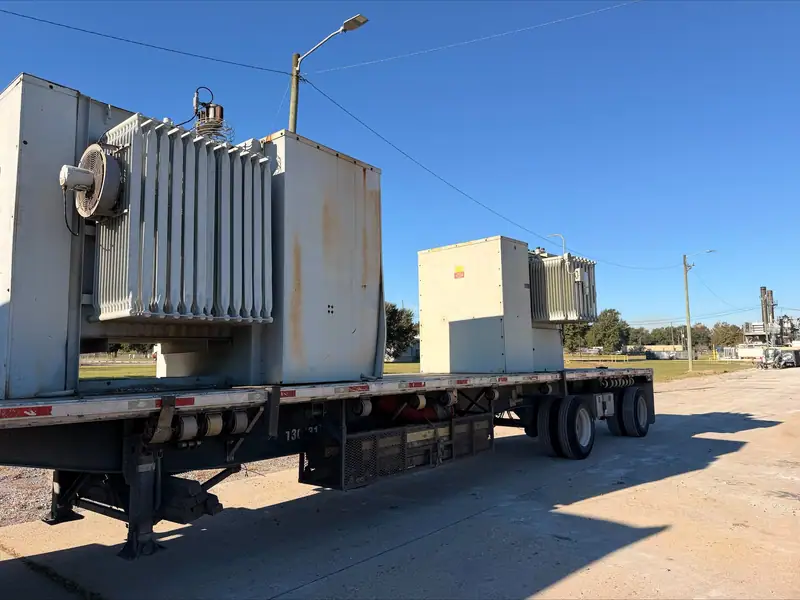
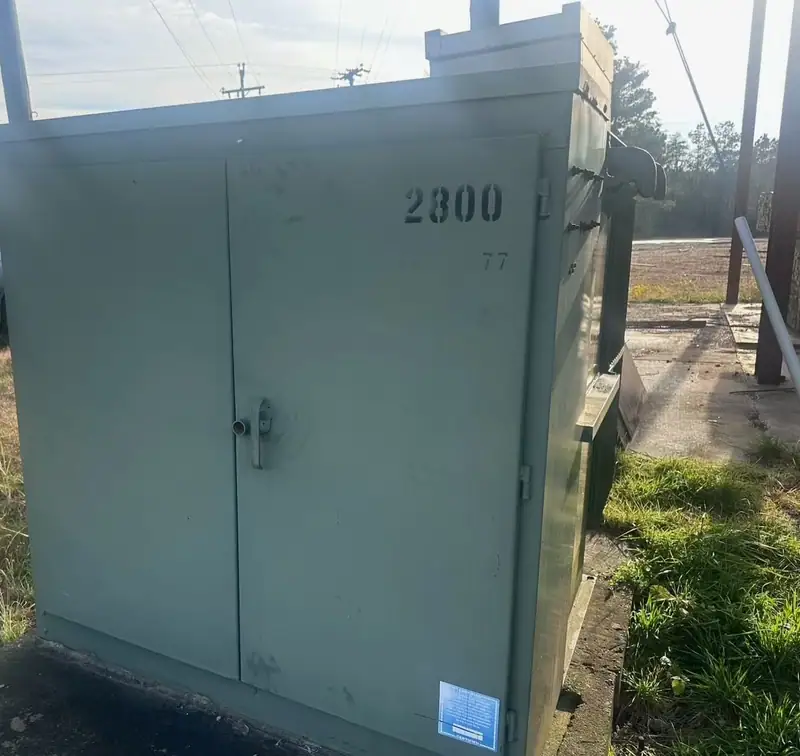
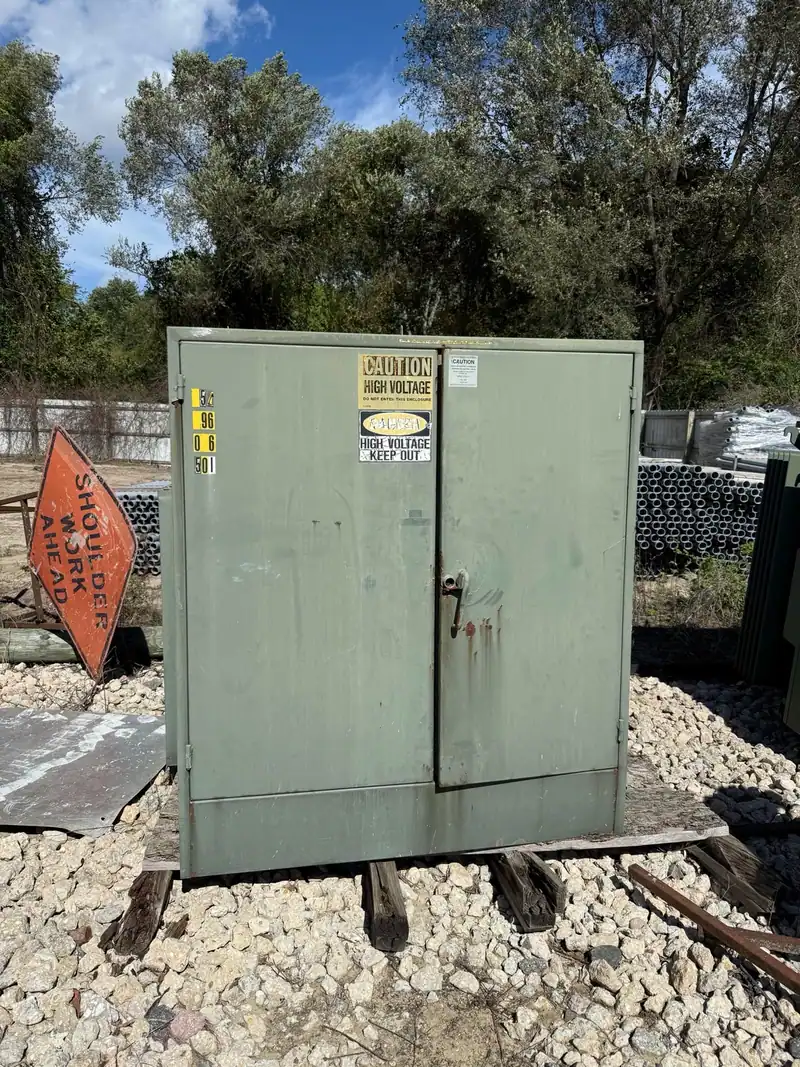
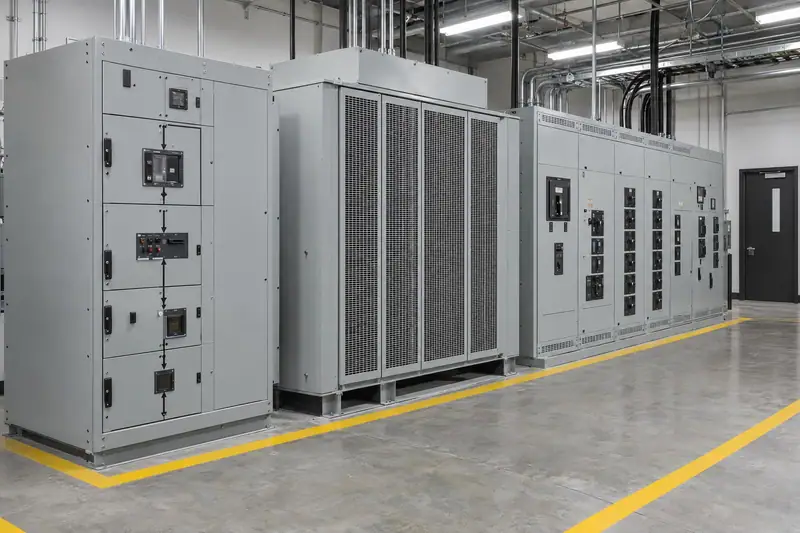
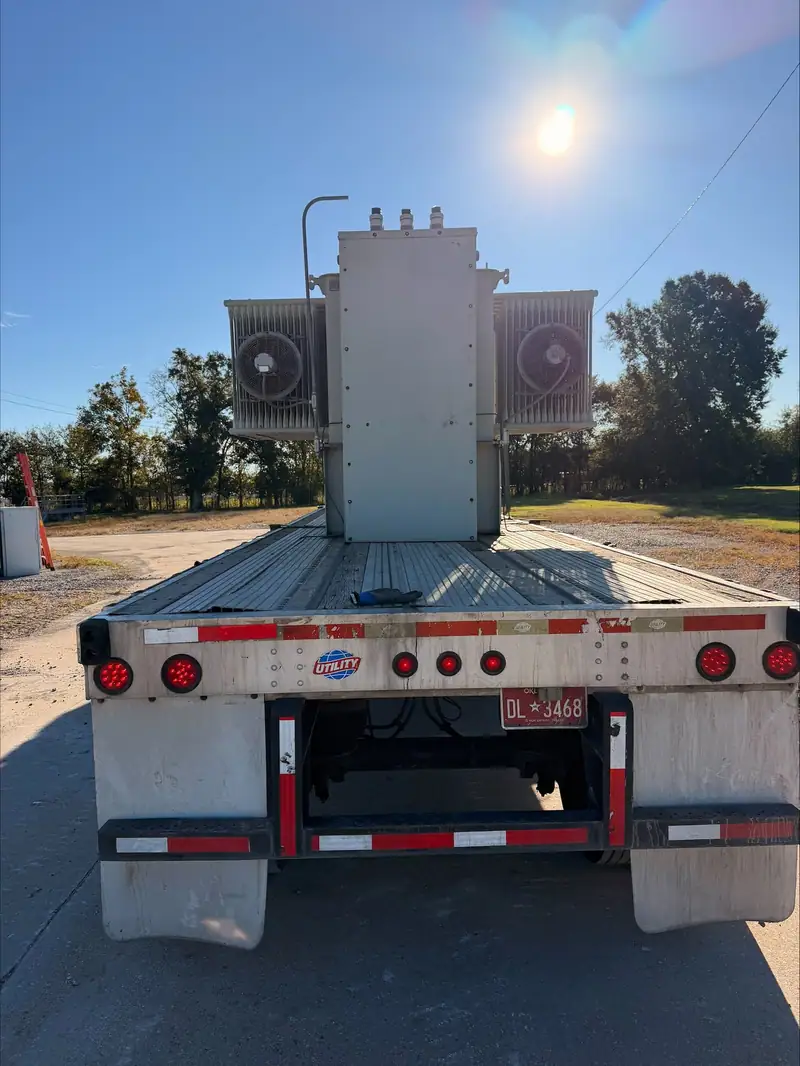
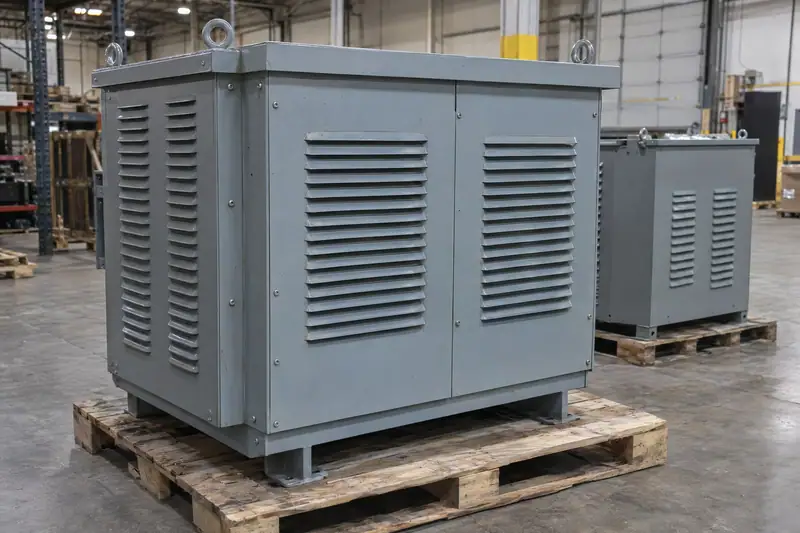
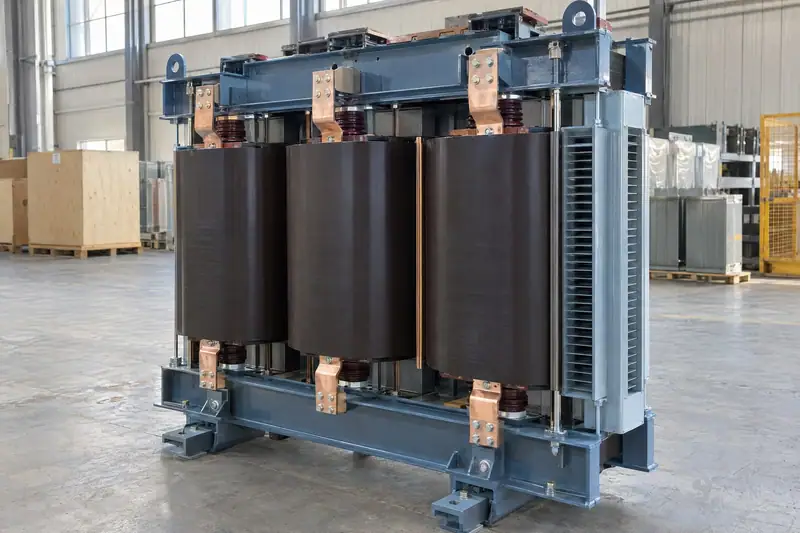
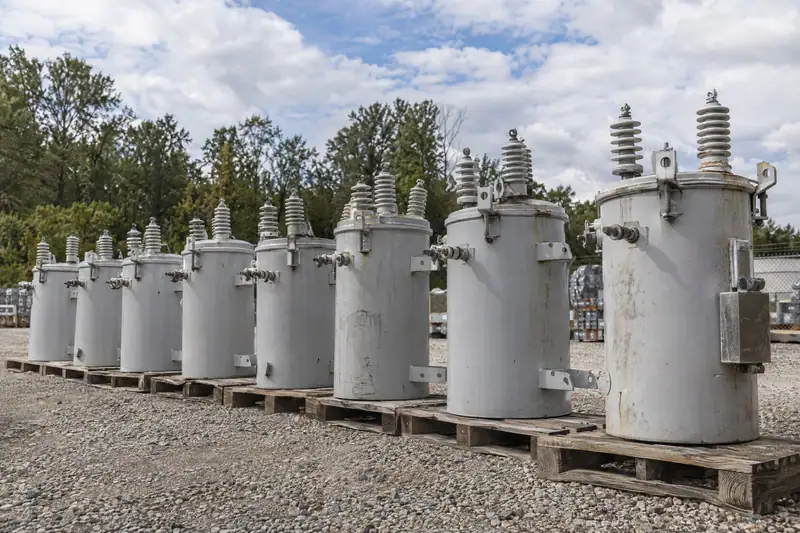
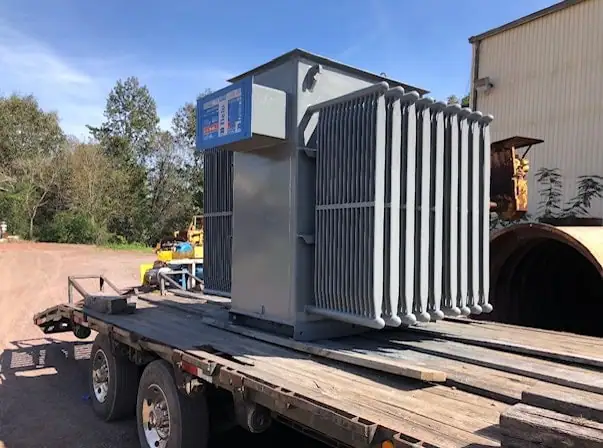
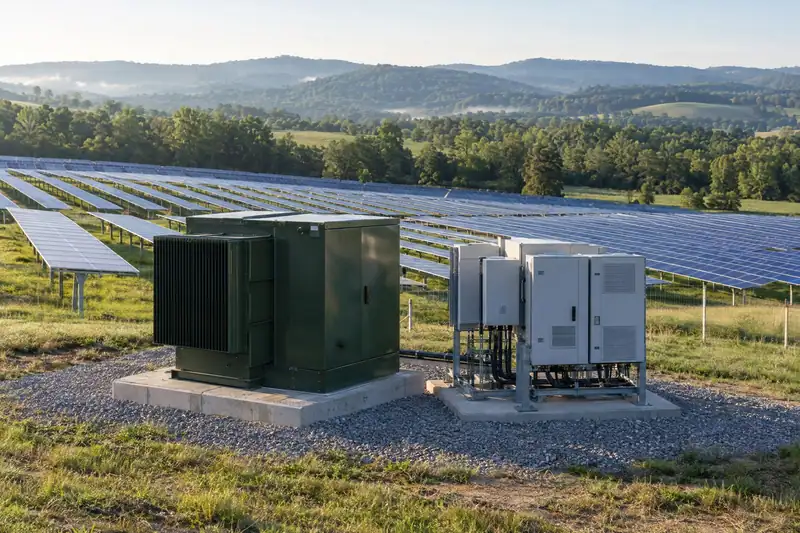
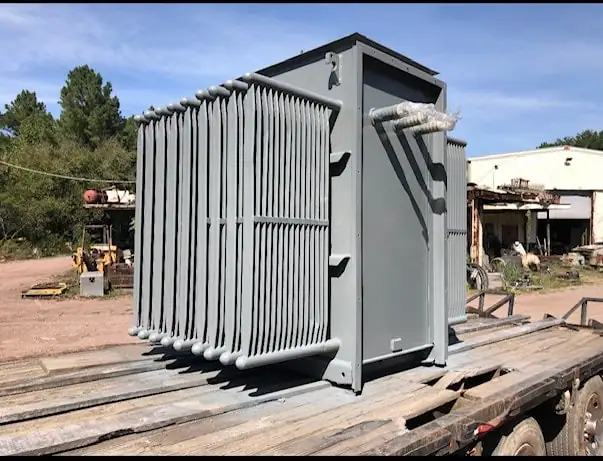
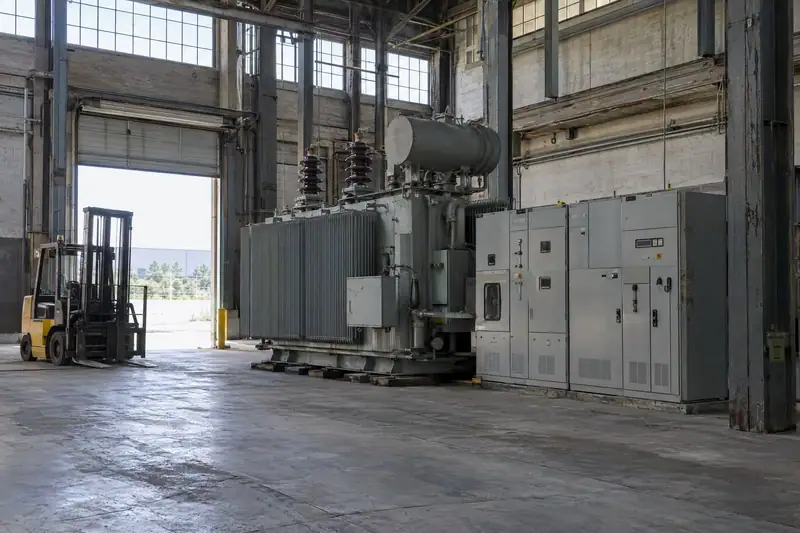
The types of transformers we buy span several overlapping categories. A pad-mounted transformer may also be liquid-filled, three-phase and used at a solar site. A unit substation may contain either a liquid-filled or dry-type transformer. Tell us what you know, but you do not need to identify the exact category before contacting us.
We buy equipment from sellers throughout every region of Virginia, and review neighboring-state and nationwide equipment on request. This hub explains the main equipment families and the details that distinguish them. The category cards provide pointers to individual categories, while our transformer size guide explains the capacity ranges.
01Identify Your Transformer From Photos and Its Nameplate
Start with an overall photo that shows the enclosure, tank, bushings and cable compartments. Ground-level cabinets often indicate pad-mount equipment; overhead mounting brackets suggest pole-mount units. Exposed bushings, radiators and separate switchgear can help identify substation arrangements. Appearance alone does not establish voltage, capacity or internal condition.
The nameplate is the best starting point for identifying the types of transformers we buy. Photograph it straight on so the ratings remain readable when enlarged. Our seller guides provide additional preparation pointers. Do not open energized compartments or approach exposed electrical parts to obtain photos.
- Manufacturer, model, serial number and manufacture date, if shown.
- Rated kVA or MVA, phase count and frequency.
- Primary and secondary voltages, such as 12470GrdY/7200 and 480Y/277.
- Cooling designation, impedance, tap settings and fluid type, when listed.
- Separate photos of damage, leaks, missing parts or unreadable labels.
02Liquid-Filled Distribution: Pad-Mount and Pole-Mount
We buy single-phase and three-phase pad-mount transformers, pole-mount transformers and other oil-filled distribution units within our size ranges. Pad-mount cabinets typically house cable connections behind compartment doors. Pole-mount units commonly have cylindrical tanks and external bushings, although construction varies by manufacturer and application.
We pay attention to primary voltage, secondary voltage, phase count and connection arrangement. For pad-mount units, identify loop-feed or radial-feed construction and dead-front or live-front connections if known. Record whether the insulating liquid is mineral oil or a labeled alternative such as FR3 natural ester. PCB status must be disclosed and documented; do not drain fluid for a sale.
03Substation, Unit Substation and Power Transformers
We buy substation transformers, unit substation transformers and MVA-class power transformers. A unit substation combines a transformer with associated primary or secondary equipment; photos should show the transformer and its connections to adjoining sections. Tell us whether the sale includes the transformer alone or additional equipment, without assuming that everything attached is part of the offer.
For larger liquid-filled units, photograph each nameplate and the radiators, bushings, conservator if present, and control cabinets. ONAN and ONAF identify oil-natural cooling with natural-air or forced-air cooling, respectively; a nameplate may show different ratings for those stages. Include tap-changer information, available test reports and dimensions relevant to transport.
04Dry-Type and Cast Resin Transformers
We buy dry-type and cast resin transformers, including three-phase units from 15 kVA. Dry-type equipment uses air rather than insulating liquid for cooling and insulation around the winding assembly. Cast resin units have windings encapsulated in resin. Both categories can appear in indoor installations or purpose-built enclosures.
Send the enclosure photo, nameplate and any safely available winding photos taken after qualified personnel have made the equipment safe. Useful details include voltage ratio, kVA, temperature rise, insulation class and enclosure designation. Note dust accumulation, corrosion, cracked resin, heat discoloration or missing panels. Failed or damaged units receive case-by-case review rather than being treated as ordinary used equipment.
05Solar and Wind Transformers
We buy transformers from solar and wind installations, including surplus project units and decommissioned equipment. Renewable-energy use describes the application, not one construction style: these transformers may also belong to the pad-mount, liquid-filled, dry-type or power transformer families.
Send the actual voltage ratings rather than describing a unit only as a solar or wind transformer. Multiple secondary windings, inverter-side voltages, grounding arrangements and project-specific specifications can distinguish these units from general distribution equipment. For a group of matching transformers, provide the quantity and identify any differences in ratings, condition or included accessories.
06New-Surplus, Used, Decommissioned and Failed Units
The types of transformers we buy also include condition-based categories. New-surplus means equipment that remains unused but is no longer needed; used equipment has operating history. Decommissioned describes removal from service, not necessarily failure. Explain storage conditions, operating history and why the unit became available, especially when those facts clarify its condition.
We review failed units case by case. Describe the failure, known damage, missing components and available test data without guessing at repairability. We buy all brands; our transformer brands overview explains that brand names identify equipment. We are an independent buyer, not affiliated with any manufacturer, including Virginia Transformer Corp of Roanoke.
07Send the Equipment Details You Have
Send clear nameplate and overall photos, location, quantity and condition notes through Get an Offer. We review the information and may ask about PCB documentation, test data or site access. If the equipment fits, we send a written offer specifying price, freight, loading and payment terms; pickup is scheduled with you, and payment follows those terms. See how the buying process works.
You do not need a complete inventory description to start. Keep separate units identifiable in your photos, particularly when several cabinets look alike. Sellers must use their own qualified electricians to de-energize and disconnect equipment; we do not perform electrical disconnect work.
Frequently asked questions
Can a transformer fit more than one buying category?
Yes, a transformer can fit several categories because construction, application and condition describe different features. A new-surplus solar transformer could also be three-phase, liquid-filled and pad-mounted. Send the nameplate and overall photos rather than choosing just one label. We use the actual ratings and construction details to identify the equipment.
Do you buy single-phase transformers as well as three-phase?
Yes, we buy single-phase transformers starting at 10 kVA and three-phase transformers starting at 15 kVA through MVA-class power equipment. Phase count is normally listed on the nameplate. Do not infer it solely from cabinet size or the number of visible bushings, since connection arrangements and enclosure designs vary.
Is a transformer with FR3 fluid still liquid-filled?
Yes, a transformer using FR3 natural ester is liquid-filled even though its insulating fluid is not mineral oil. Send the fluid designation shown on the nameplate or fluid label, together with the electrical ratings. Fluid type alone does not establish PCB status; PCB status must still be disclosed and documented.
Do you buy transformers removed from a unit substation?
Yes, we buy unit substation transformers, including equipment separated from adjoining switchgear. Show the transformer nameplate, enclosure, connection areas and any remaining attached sections. State which components are included and whether anything was removed or damaged during disassembly. The transformer’s ratings matter more than the overall installation’s name.
Can you identify a transformer if the nameplate is unreadable?
Overall photos can help identify the equipment family, but they cannot reliably establish all electrical ratings. Send close-ups of any remaining labels, serial numbers and manufacturer markings, plus available drawings or records. Explain which information is missing; do not substitute estimates for confirmed voltage, capacity or fluid details.
Do all decommissioned transformers count as failed equipment?
No, decommissioned means taken out of service and does not by itself mean failed. A unit may have been removed because a facility closed or its electrical requirements changed. State whether it operated before removal and disclose known defects. Our guide to selling a transformer provides broader selling information.