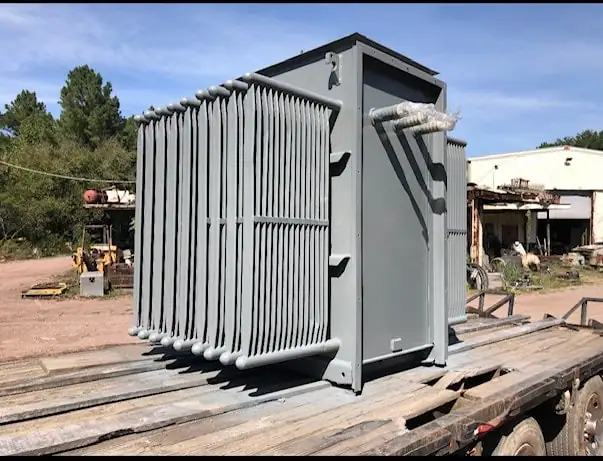
A transformer can be unused and still need careful review. A cancelled construction job may leave a complete, factory-crated unit, while a warehouse spare may have missing accessories or years of undocumented storage. We buy new surplus transformers in both situations, with the equipment's actual condition and specifications guiding the review.
We buy all brands and sizes, including single-phase units from 10 kVA and three-phase units from 15 kVA through MVA-class power transformers. New surplus can include pad-mount, substation, unit substation, dry-type, cast resin, pole-mount and oil-filled equipment. Our broader transformer buying categories cover equipment beyond never-installed stock.
01What qualifies as new surplus transformer inventory?
New surplus generally means equipment purchased or manufactured for a job but never placed in service. Common sources include cancelled projects, revised electrical designs, duplicate purchases, unused maintenance spares and unsold distributor inventory. Tell us whether the transformer was ever connected, energized or used for temporary power.
An unopened crate is useful evidence, but it does not establish the transformer's full history. Equipment may have been unpacked for inspection, moved between warehouses or assembled on-site before the project stopped. Describe those events rather than relying only on a label such as “new in box.”
We buy individual units and quantities of matching or mixed equipment. For a larger inventory, separate units by serial number and list each quantity, rating and condition. Identical enclosures can contain different voltage combinations, winding arrangements or accessories, so a group photo alone rarely tells the whole story.
02Factory specifications determine where surplus can fit
As a new surplus transformers buyer, we start with the nameplate rather than the project's original purchase description. Include kVA or MVA, phase, frequency, primary and secondary voltages, impedance, serial number and manufacturing date. For liquid-filled equipment, include the fluid designation and cooling class, such as ONAN or ONAN/ONAF.
A 12470GrdY/7200 primary and 480Y/277 secondary identify a different application from equipment built for another utility voltage or secondary system. Tap ranges, winding connections, BIL ratings and terminal arrangements also matter. An unused transformer built to a narrow project specification is not automatically interchangeable with a standard stock unit.
Photograph configuration details that the nameplate does not fully explain. On new surplus pad-mount transformers, these can include loop-feed or radial-feed arrangements, dead-front or live-front construction, bushings, switches and fuses. For solar and wind project surplus, send the project specification sheet if available, especially where winding arrangements or duty requirements differ from ordinary distribution equipment.
03Why factory test reports and drawings matter
Factory test reports document results recorded before shipment. Depending on the transformer and specified testing, these may include winding resistance, ratio, polarity or phase relation, impedance, losses and dielectric tests. Reports referencing applicable IEEE C57 standards help identify the test basis, but the report must match the actual unit's serial number.
Drawings help establish what is included and how the transformer was intended to be installed. Outline drawings can show dimensions, weight, lifting provisions and terminal locations. Wiring diagrams, accessory schedules and packing lists help distinguish a complete shipment from a transformer that has lost parts during storage.
Send the records you have, even if the file is incomplete. We buy new surplus equipment without assuming every seller retains the original project binder. Factory records can reduce uncertainty, but they describe the unit when tested; they do not establish its condition after years in a damp warehouse or outdoor laydown area.
- Match test reports and drawings to serial numbers, not just model descriptions.
- Include revisions when change orders altered voltage, accessories or construction.
- Identify separately shipped radiators, fans, controls, arresters or other accessories.
04Storage conditions can change an unused unit's condition
Never energized does not mean unaffected by storage. Tell us whether the unit stayed indoors, under a roof or exposed outdoors, and approximately how long it remained there. Photos should show rust, damaged coatings, water marks, fluid leaks, broken bushings and the condition of terminal compartments.
Dry-type and cast resin units need particular attention to moisture, contamination and physical damage. Liquid-filled units need clear photos of the tank, fittings, gauges and any visible leakage. The differences between dry-type and oil-filled equipment explain why storage questions vary by construction.
Identify mineral oil or FR3 natural ester when the nameplate or records specify it. PCB status must be disclosed and documented; unused condition is not a substitute for that documentation. Do not drain fluid for a sale. Send existing inspection or maintenance records, including any storage work performed under the manufacturer's instructions.
05Crating, loose parts and warranty questions
Original packaging helps explain how the equipment has been handled, but damaged crating can hide damaged equipment. Photograph the crate, skid and visible transformer without opening energized compartments or creating an unsafe inspection. Note whether shipping braces, protective covers and original packaging remain in place.
List loose accessories and show how they are identified. A radiator or control cabinet sitting beside a transformer may belong to another order. Packing lists and part labels help connect those pieces to the right serial number. Also disclose whether the skid is deteriorated or the equipment has been moved without its original shipping supports.
Do not assume the original factory warranty transfers to another owner. Coverage may depend on the manufacturer's terms, shipment date, installation requirements and storage history. Provide the warranty document and any written manufacturer correspondence. We are an independent buyer, not a manufacturer representative, and do not promise warranty coverage.
06How we evaluate new surplus differently from used
With used transformers, operating history and service condition are central questions. With new surplus, we focus more heavily on specification fit, storage history, shipment completeness and supporting factory documentation. Original purchase cost does not, by itself, establish what a never-installed unit is worth today.
Unused equipment with impact damage, water intrusion or a known electrical problem needs a different review from intact surplus inventory. We review failed or damaged units case by case; describe the problem plainly and see our failed and damaged transformer category for that distinction. Missing paperwork alone does not make a transformer failed.
Send clear nameplate and overall photos, location, quantity and condition notes through our surplus equipment offer form. We review the information and may ask about PCB documentation, test data or site access. If the equipment fits, we send a written offer covering price, freight, loading and payment terms, schedule pickup with you, and follow those payment terms. See how the sale works for details.
Frequently asked questions
Can I sell a transformer ordered for a cancelled project?
Yes, we buy never-installed transformers left over from cancelled projects. Send the actual nameplate rather than only the purchase order, because final factory specifications may differ from the original order. Include any change-order drawings, factory test reports and a list of accessories shipped separately.
Is a transformer still new surplus if it was installed but never energized?
It can be described as never energized, but disclose that it was installed rather than presenting it as untouched factory stock. Tell us whether cables were connected, accessories assembled or fluid added. We do not perform electrical disconnect work; sellers use their own qualified electricians to de-energize and disconnect equipment as needed.
Can I sell new surplus transformers without factory test reports?
Yes, you can submit new surplus transformers without factory test reports. Clear nameplate photos, overall photos and an accurate storage history still give us useful information. Tell us which records are missing and send available drawings or packing lists. We may ask follow-up questions about condition or specifications.
Does old warehouse stock count as new surplus?
Old warehouse stock can qualify as new surplus if it has never been placed in service. Age and storage condition still matter, so include the manufacturing date and explain where it was stored. Photograph corrosion, moisture evidence, packaging damage and missing parts instead of describing the equipment only as unused.
Do you need the original crate to buy an unused transformer?
No, the original crate is not required to submit an unused transformer for review. Tell us whether the transformer is on a skid, assembled on a foundation or stored loose with accessories. Packaging condition, equipment weight and site access help clarify handling needs; freight and loading responsibilities belong in the written offer.
Does the manufacturer's warranty transfer when I sell surplus stock?
Warranty transfer depends on the manufacturer's written terms, not simply on whether the transformer is unused. Check the warranty documents for ownership, storage, shipment-date and installation conditions, and request written clarification from the manufacturer when needed. We buy equipment independently and do not guarantee that factory coverage continues after a sale.