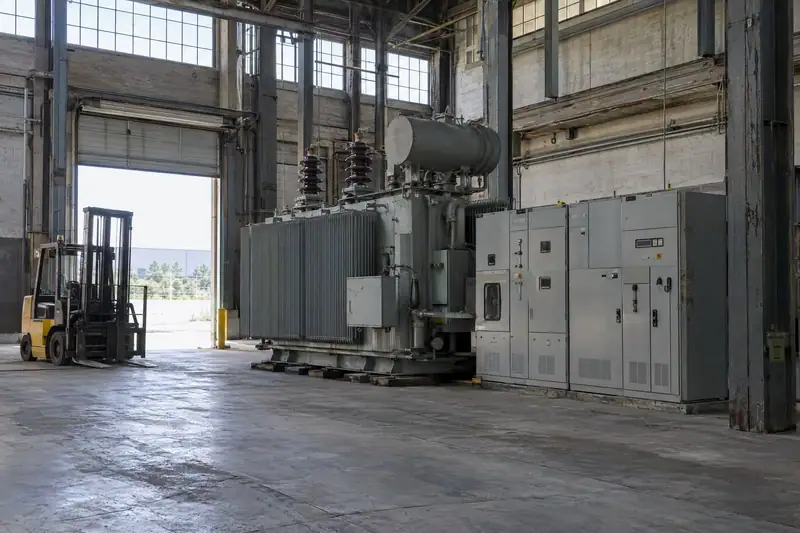
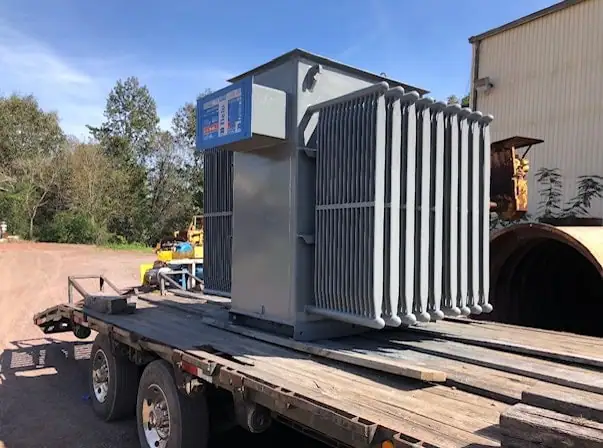
The question of who sells surplus transformers usually starts with a change: a project stops, a facility upgrades, or a spare no longer matches the installed equipment. A transformer can become surplus without being worn out. We buy equipment still in storage as well as disconnected units that previously served a building, production line, or distribution system.
Virginia Transformer Buyers serves sellers across every region of Virginia. We buy all brands and sizes, including single-phase units from 10 kVA and three-phase units from 15 kVA through MVA-class power transformers. Our transformer equipment overview covers the configurations we buy; this page explains how different sellers typically end up with them.
01Electrical Contractors With Leftover Project Equipment
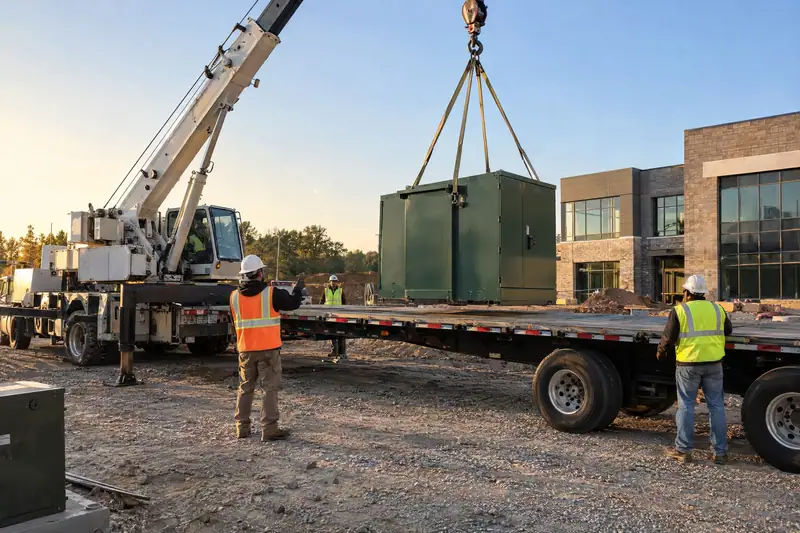
Electrical contractors often have surplus after a project cancellation, specification change, or service redesign. A purchased transformer may no longer match the final primary voltage, secondary voltage, or capacity requirement. Uninstalled equipment can also remain after a customer reduces the scope of a build.
We buy contractor-owned new-surplus and used transformers, including pad-mount, dry-type, and unit substation equipment. Tell us whether the unit is unused, previously energized, or removed during a replacement. For project leftovers, confirm ownership before offering equipment purchased for a customer or supplied under a project contract.
02Utilities and Electric Co-ops Reducing Spare Inventory
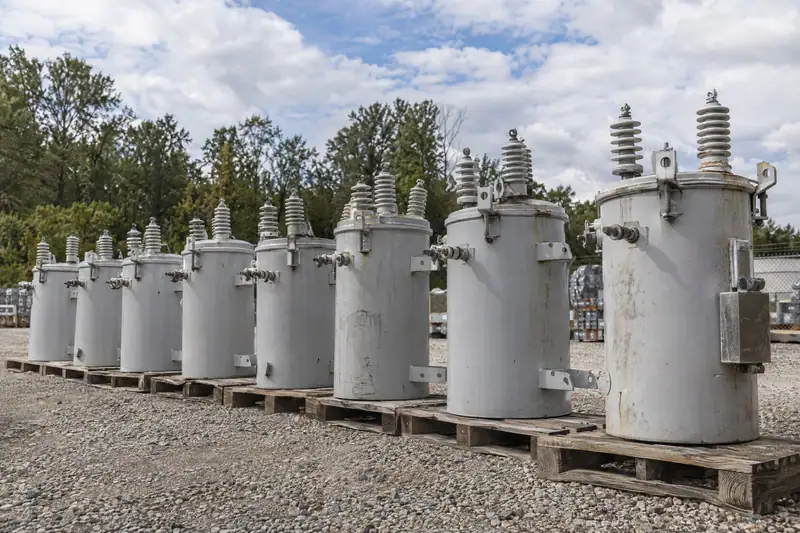
Utilities and electric co-ops accumulate transformers through distribution upgrades, service retirements, and changes to spare-stock requirements. A serviceable unit may become surplus because its voltage configuration or capacity no longer fits the system. Stores can also hold unused equipment ordered for construction that never proceeded.
We buy pole-mount, pad-mount, substation, and power transformers from utility sellers. Keep each asset number tied to its nameplate and condition record, especially in mixed lots. Ratings such as 12470GrdY/7200 and 480Y/277 identify a different application than another unit with the same kVA; our transformer size guide explains the capacity categories we buy.
03Data Centers Changing Capacity or Electrical Design
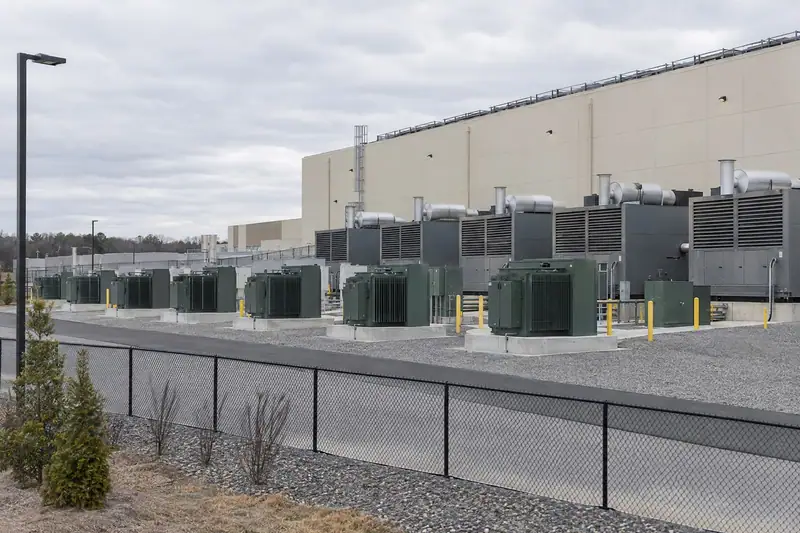
Data center operators and project teams can have surplus when expansion plans change, electrical blocks are redesigned, or older infrastructure is replaced. Spare transformers may stop matching the installed design after a voltage or capacity change. New-surplus equipment may remain from a deferred phase even while other parts of the site operate.
We buy dry-type, cast resin, oil-filled, and unit substation transformers from these projects. Identify whether the transformer is standalone or part of an assembly with primary switches, secondary switchgear, or attached enclosures. For unit substations, clear photos of the complete assembly help establish what is included in the sale.
04Solar and Wind Developers With Project Surplus
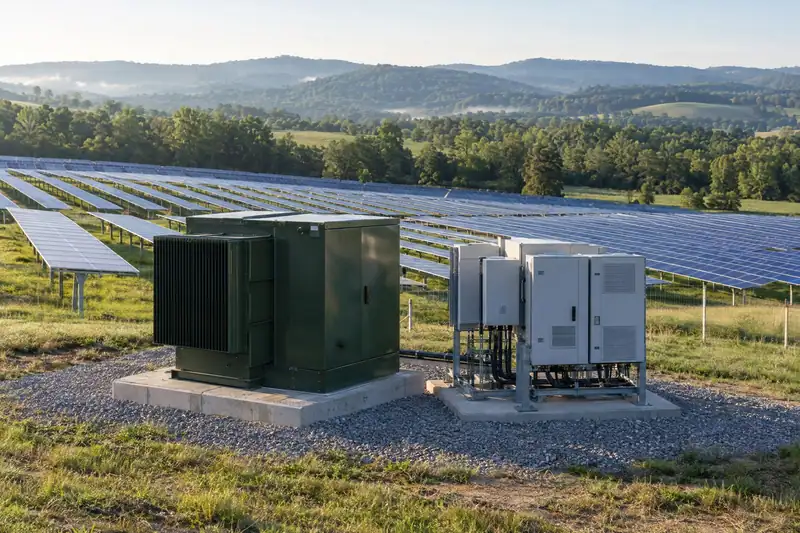
Solar and wind developers may have surplus after project resizing, procurement changes, repowering, or cancellation. Equipment ordered for one site does not automatically fit another: winding arrangement, voltage ratings, impedance, and connection details matter. A spare purchased for an earlier project design may become excess inventory.
We buy solar and wind transformers, including new-surplus units. Include all nameplates when a transformer has multiple secondary windings, and identify whether accessories are included. For liquid-filled equipment, state the fluid type shown in the records, such as mineral oil or FR3 natural ester. PCB status must be disclosed and documented.
05Industrial Plants, Closures, and Facility Consolidations
Industrial plants generate surplus when production lines shut down, loads change, or operations move to another facility. A closure can leave several transformer types on one property, from indoor dry-type units to outdoor substations. Equipment serving discontinued machinery may become available while the rest of the plant remains active.
We buy used and decommissioned industrial transformers, with failed or damaged units reviewed case by case. Distinguish operating takeouts from units removed after a fault, leak, or overheating event. We do not perform electrical disconnect work; sellers use their own qualified electricians to de-energize and disconnect equipment. The seller guides provide additional selling information.
06Dealers, Liquidators, and Mixed Equipment Inventories
Equipment dealers and liquidators often hold transformers acquired through auctions, business closures, inventory purchases, or larger electrical equipment lots. Inventory can include multiple manufacturers, missing accessories, and units with different storage histories. Separate known facts from assumptions, particularly when the previous operating condition is unknown.
We buy all brands, and our brand overview describes manufacturers whose equipment may appear in surplus inventories. Virginia Transformer Buyers is an independent buyer, not affiliated with any manufacturer, including Virginia Transformer Corp of Roanoke. For mixed lots, give each unit a reference number so photos, ratings, quantities, and condition notes stay matched.
07Property Managers and Government Surplus Sellers
Property managers can encounter surplus during tenant turnover, building renovation, or redevelopment. Government agencies may have equipment from facility upgrades, retired installations, or unused project stock. In both situations, confirm who owns the transformer: equipment located on a property may belong to the serving utility rather than the property owner.
Send clear nameplate and overall photos, location, quantity, and condition notes through request an offer. We review the equipment and may ask about PCB documentation, test data, or access. If it fits, we send a written offer covering price, freight, loading, and payment terms; pickup is scheduled with the seller, and payment follows those terms. See how the purchase process works for details.
Frequently asked questions
Who sells surplus transformers that have never been energized?
Contractors, developers, utilities, dealers, and facility owners can all have unused surplus transformers. Canceled projects, revised specifications, and excess spare inventory are common sources. Virginia Transformer Buyers buys new-surplus equipment. Identify its storage history and any missing parts rather than assuming that unused condition means the unit is complete.
Can a contractor sell a transformer left over from a customer project?
A contractor can offer a leftover transformer if the contractor owns it or has authorization from the owner to sell it. Equipment sitting in a contractor's warehouse may still belong to a customer. Confirm ownership and any project restrictions before offering the transformer, and identify its condition accurately.
Can a property manager sell the pad-mount transformer outside a building?
A property manager can offer the pad-mount transformer only with the owner's authorization; its location does not establish ownership. Some transformers serving commercial properties belong to the utility. Check ownership records first, and do not open, move, or disconnect energized equipment to prepare it for a sale.
Do you buy mixed transformer lots from plant liquidations?
Yes, Virginia Transformer Buyers buys transformer equipment from plant liquidations, including mixed inventories. List each unit separately with its kVA or MVA rating, voltages, quantity, and known condition. Identify failed or damaged units explicitly because those receive case-by-case review rather than being treated as ordinary operating takeouts.
Can a government agency offer surplus transformers for purchase?
Yes, government agencies with authority to dispose of their equipment can submit surplus transformers for review. Tell us about any required sale procedure, documentation, or pickup restrictions that affect the transaction. The agency remains responsible for following its applicable disposal requirements; we do not provide legal advice.
Can dealers sell transformers when the operating history is unknown?
Yes, dealers can submit transformers with an unknown operating history, but that uncertainty should be stated clearly. Provide readable nameplates, overall photos, and available records without describing the units as tested or working unless supported. For liquid-filled equipment, PCB status must still be disclosed and documented.