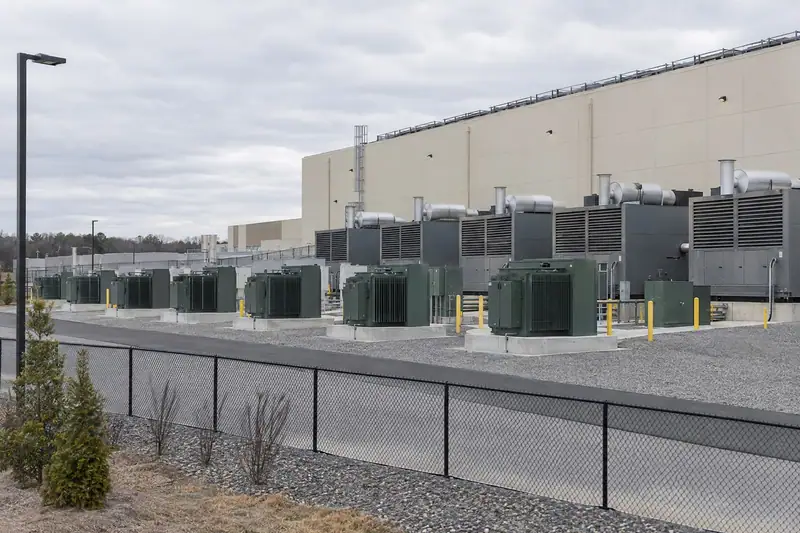
A canceled phase or revised electrical design can leave a data center project with transformers that no longer match its build plan. We buy surplus equipment from developers, operators, general contractors and electrical subcontractors, whether the units remain in crates, sit in laydown storage or have been removed during a refresh.
Northern Virginia campuses often involve multiple buildings, repeated transformer blocks and controlled delivery routes. Those details matter as much as the equipment list. Our Virginia transformer buying service serves sellers statewide; for data center inventory, lead with the actual nameplates and identify which units are available separately from equipment still committed to construction.
01Surplus created by design changes and canceled phases
We buy transformers released by changes in utility service, distribution voltage, building layout or planned capacity. A transformer purchased for one phase may not suit the next if its primary voltage, secondary voltage or impedance differs from the revised design. Tell us what changed and whether the equipment was ever installed or energized.
Separate available inventory from project spares, reserved units and equipment awaiting an owner's release. Developers, operators and contractors can each have useful equipment information, but the party presenting the inventory should clarify who can authorize its sale. For other project ownership situations, see the sellers we buy from.
- Canceled buildings or phases with delivered but unused transformers
- Revised specifications that leave the original order surplus
- Capacity refreshes that release installed transformers
- Excess project spares no longer assigned to an operating campus
02High-kVA blocks need unit-by-unit identification
We buy 2,000 kVA, 2,500 kVA, 3,000 kVA and larger transformers, including MVA-class equipment. When data centers sell surplus transformers in repeated blocks, similar enclosures can hide different specifications. Send a nameplate for each distinct configuration and connect every photo to a serial number or inventory tag. Do not assume all units match because they served the same campus.
We pay attention to primary and secondary voltage, impedance, frequency, winding connection and cooling class. Ratings such as 12470GrdY/7200 and 480Y/277 describe more than a general medium-voltage-to-low-voltage application. For larger power transformers, include every listed cooling rating, such as ONAN/ONAF, and identify whether fans or other accessories are present.
- Manufacturer, serial number, manufacture date and kVA rating
- Primary voltage, secondary voltage and available tap positions
- Nameplate impedance and winding connection
- Fluid type, total weight and dimensions when documented
- Quantity by exact specification, not just total unit count
03Pad-mounts, unit substations and dry-type equipment
We buy surplus pad-mount transformers, unit substations, oil-filled transformers, dry-types and cast resin units. For pad-mounts, photograph the exterior, nameplate and accessible connection compartments only when safe and authorized. Identify dead-front or live-front construction, loop-feed or radial-feed arrangement, and supplied elbows, bushings or protective devices where documented.
For a unit substation, show how the transformer connects to the primary and secondary sections. Bus connections, throat dimensions and missing transition sections can affect how the assembly is described. If your surplus list includes MV switchgear, distinguish that inventory from the transformer; this page does not establish an offer to buy standalone switchgear. The pad-mount and substation comparison guide explains the equipment distinction.
04New-in-crate inventory and stored transformer condition
We buy new-surplus transformers, including unused units still in shipping crates. Unused does not automatically mean complete or undamaged. Provide packing lists, manufacturer drawings and factory test reports if available, along with photographs of the crate labels and exterior condition. Note whether accessories arrived separately and whether the equipment was stored indoors, outdoors or under temporary cover.
For dry-types, disclose moisture exposure, damaged enclosures and missing panels. For liquid-filled units, identify mineral oil or FR3 natural ester from the nameplate or records rather than appearance. Report visible leaks or damaged bushings without attempting repairs for the sale. Our oil-filled transformer information covers that equipment category; failed or damaged units are reviewed case by case.
05Keep equipment details separate from sensitive campus information
A transformer inquiry does not need customer names, server information or a full campus one-line diagram. Start with equipment photos and records that identify the units without exposing unrelated operational details. Avoid redacting the voltage, kVA, serial number or other fields needed to match documentation to the equipment.
Tell us about confidentiality requirements before sharing restricted documents or site photographs. Do not assume an NDA or a particular document-handling arrangement is already in place. State who controls release approval, whether the campus name may be shared for freight planning and what information requires authorization. PCB status must be disclosed and documented, including for older equipment transferred into campus storage.
06Plan campus access around the actual pickup location
When data centers sell surplus transformers, the loading location may differ from the project address on the purchase order. Tell us whether the units are in a warehouse, fenced laydown area, operating electrical yard or unfinished building. Include known dimensions and weights, loading arrangements, gate restrictions, escort requirements and delivery windows. Identify any move needed before the equipment reaches an accessible loading point.
Send the nameplates, overall photos, location, quantity and condition notes through the transformer offer form. We review the equipment and may ask about test data, PCB documentation or access. If it fits, our written offer states price, freight, loading and payment terms; pickup is scheduled with you and payment follows those terms. See the buying process for details. Your qualified electricians must de-energize and disconnect installed equipment; we do not perform electrical disconnect work or ask sellers to drain fluid.
Frequently asked questions
Can I sell unused transformers from a canceled data center phase?
Yes, Virginia Transformer Buyers buys new-surplus transformers released from canceled data center phases. Identify the units available for sale, their storage location and the party authorized to release them. Include nameplates and available packing lists, and distinguish complete units from shipments with accessories still held elsewhere.
Do you buy 2,500 kVA and 3,000 kVA data center transformers?
Yes, we buy 2,500 kVA and 3,000 kVA transformers, as well as larger MVA-class units. Provide the actual voltage ratings, impedance and configuration rather than only the capacity. For a multi-unit block, identify specification differences and quantities so one representative photo is not mistaken for the entire inventory.
Do I need to open the shipping crates before requesting an offer?
You can start an inquiry with crate-label photos and available equipment documentation without opening the crates. Explain whether the nameplates are accessible and whether the crates have been opened previously. Additional photos or information may be needed to establish identity, condition and completeness; do not open restricted packaging without the appropriate authorization.
Can I keep the data center customer name out of the initial inquiry?
You can omit the customer name from the initial equipment description while providing the transformer specifications and general location. Tell us about disclosure restrictions before sending sensitive records. Freight planning and release coordination may require more location information later, so clarify what can be shared and who must approve it.
Should I include MV switchgear attached to a unit substation?
Include photos and descriptions of attached MV sections so the transformer assembly is represented accurately. Identify which components belong to the offered assembly and which remain on site. We buy unit substations, but you should not assume standalone MV switchgear is included in our buying scope or in a transformer offer.
Can you buy transformers still connected inside an operating campus?
We buy used transformers, but connected equipment requires a seller-managed plan for safe de-energization, disconnection and release. Your qualified electricians perform that work, not Virginia Transformer Buyers. Explain outage constraints, access restrictions and when the units will be available; loading, freight and payment responsibilities follow the written offer terms.