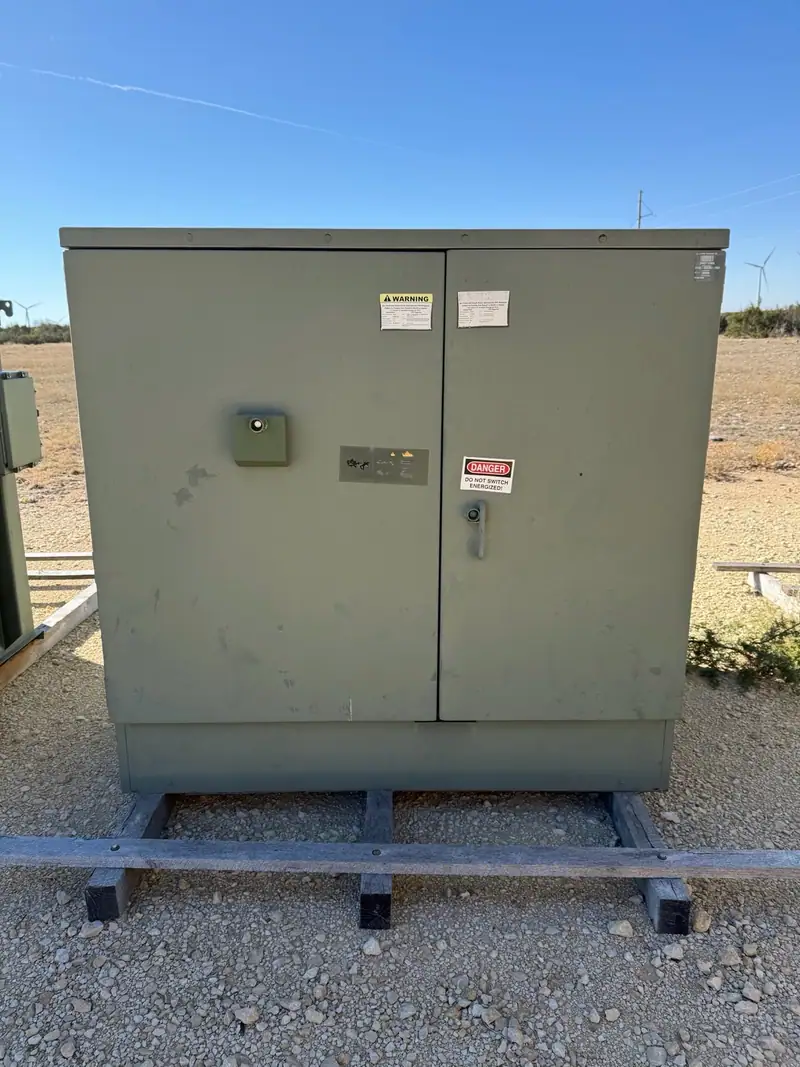
A transformer does not have to be new to have a buyer. A working unit removed during an upgrade, an unused spare or equipment left after a project change can all be worth presenting intact. We buy from owners across every region of Virginia and review equipment in neighboring states and nationwide on request.
If you want to sell your transformers, start with what you actually have rather than a guess at scrap weight. Rating, voltage, construction and condition tell us much more than a photograph of the enclosure alone. Our transformer buying categories cover equipment ranging from small distribution units to large power transformers.
01What We Buy: One Transformer or Multiple Units
We buy single-phase transformers from 10 kVA and three-phase transformers from 15 kVA through MVA-class power equipment. That includes pad-mount, pole-mount, substation, unit substation, dry-type, cast resin and oil-filled transformers, along with solar and wind units. We buy all brands; the nameplate specifications matter more than matching a particular manufacturer.
One spare transformer deserves its own description. A mixed lot needs an inventory that distinguishes each unit, especially when ratings or voltages differ. Three similar-looking cabinets may contain very different equipment. Keep the photographs matched to the correct inventory item so an offer is based on the units you intend to sell.
- Single units removed from service or held as spares
- Multiple transformers from facility upgrades or closures
- New-surplus equipment left from canceled or changed projects
- Decommissioned transformers with known condition
- Failed or damaged units, reviewed case by case
02Used Is Acceptable; Unknown Condition Needs Explanation
We buy used transformers, not just unused inventory. Tell us whether the unit was operating when removed, how long it has been stored and whether it has known leaks, overheating, missing parts or physical damage. Available test reports help distinguish documented operating condition from an owner's recollection. You do not need to describe an untested transformer as working.
Failed units are reviewed case by case, so describe the failure plainly rather than assuming the equipment is scrap. For oil-filled units, disclose and document PCB status. If records identify mineral oil or FR3 natural ester, include that information, but fluid type alone does not replace PCB documentation. We do not ask sellers to drain fluid before submitting equipment.
03Gather the Details That Identify Your Transformer
A legible nameplate is the most useful starting point when you sell your transformers. Photograph it straight on, with enough detail to read the manufacturer, serial number, kVA or MVA rating, phase, frequency and primary and secondary voltages. A rating such as 12470GrdY/7200 to 480Y/277 identifies a different application than a transformer with a 480 V primary.
Include cooling ratings such as ONAN/ONAF where shown, along with impedance, taps, fluid information and listed weights. Overall photographs should show the enclosure, bushings, connection compartments and visible damage without requiring unsafe access. Our transformer nameplate guide explains the fields that matter; photograph the original plate rather than relying only on a typed summary.
- Assign each unit a simple inventory number and match its photos to that number.
- Include location, quantity and whether equipment is installed or already disconnected.
- Record missing accessories, damaged bushings, leaks and storage conditions.
- Share existing test data and maintenance records if available.
- Note approximate dimensions and nameplate weight for transport planning.
04How Written Offers and Pickup Terms Work
Send clear nameplate and overall photos, location, quantity and condition notes through the offer request form. We review the information and may ask about PCB status, test data or site access. If the equipment fits, we send a written offer spelling out price, freight, loading and payment terms. Pickup is scheduled with you, and payment follows those written terms. See how the purchase process works for details.
Loading is not a detail to leave until pickup day. Tell us whether the transformer is inside a building, behind a fence, on an elevated platform or accessible from a loading area. Identify available loading equipment and any site restrictions. Do not assume freight or loading is included unless the written offer says so, and clarify responsibilities before accepting it.
05Selling Intact Versus Scrap or Auction
An intact transformer gives a buyer the opportunity to evaluate equipment specifications, not just recoverable materials. That does not mean every unit has reuse value or will receive an offer. Voltage combination, rating, condition and completeness all matter. Our guide to what a used transformer is worth explains why two units of similar weight can have different selling prospects.
Scrap and auction can be alternatives, but compare the actual terms rather than only a headline amount. Scrap usually centers on material recovery. An auction depends on its bidding outcome and rules. When comparing either option with a direct written offer, account for fees, transport, loading responsibilities, payment conditions and any deadline for clearing the site.
| Selling route | What to clarify |
|---|---|
| Direct equipment sale | Which units the written offer covers and who handles freight and loading |
| Scrap sale | Whether the quote requires dismantling, fluid handling or delivery |
| Auction | Seller fees, sale conditions, payment arrangements and removal deadlines |
06Avoid Changes That Make Equipment Harder to Sell
Leave the nameplate attached and avoid dismantling equipment simply to prepare it for a quote. Removing bushings, terminal assemblies, radiators or enclosure parts can make identification and evaluation harder. Missing components may also change the unit's suitability for an equipment sale. Keep loose accessories labeled and associated with the correct transformer.
Do not drain oil to reduce shipping weight or make the transformer appear ready for removal. Fluid handling and disposal questions belong with qualified professionals; we do not provide environmental advice or electrical disconnect work. Use your own qualified electricians to de-energize and disconnect installed equipment. The seller guides provide additional preparation information without replacing site-specific professional direction.
07Start Before Your Site-Clearance Deadline
The right time to contact a buyer is when you know the transformer will become surplus, even if it is still installed. Early information makes it easier to identify access constraints, missing documentation and the date equipment can be released. State whether your timing depends on an outage, replacement installation, lease expiration or demolition schedule.
There is no universal pickup or payment timeline for every transformer. A dry-type unit on a loading dock presents different transport questions from a large substation transformer inside an operating facility. When you are ready to sell your transformers, call or text (951) 403-5738 with the equipment details and your deadline. We buy independently and are not affiliated with Virginia Transformer Corp or any other manufacturer.
Frequently asked questions
Can I sell just one used transformer?
Yes, Virginia Transformer Buyers buys individual used transformers as well as multiple-unit lots. We buy single-phase units from 10 kVA and three-phase units from 15 kVA through MVA-class equipment. A single unit still needs clear identification: include its nameplate, overall photos, location and an honest description of its operating or storage condition.
Can I sell a transformer that is still connected?
You can submit a transformer for review while it is still installed, but your own qualified electricians must de-energize and disconnect it before removal. Virginia Transformer Buyers does not perform electrical disconnect work. Explain when the unit can be released and whether access depends on an outage or replacement installation.
What if my transformer nameplate is missing or unreadable?
Send available photographs and records, and clearly state that the nameplate is missing or unreadable. Manufacturer drawings, equipment schedules or prior test reports may help identify the unit, but they do not always resolve every specification. Do not guess at voltage or kVA, or substitute information from a similar-looking transformer nearby.
Should I drain transformer oil before selling?
No, do not drain transformer oil simply to prepare the unit for sale to Virginia Transformer Buyers. We do not ask sellers to drain fluid. Disclose leaks, fluid information and documented PCB status, and use qualified professionals for fluid-handling questions. Draining a unit changes its condition and can complicate equipment evaluation.
Can I sell a failed transformer instead of scrapping it?
Virginia Transformer Buyers reviews failed transformers case by case. Send the nameplate and describe the known failure, including damaged components, leaks or available test findings. Keep the equipment intact while seeking a decision. A failure does not automatically establish scrap-only value, but it also does not guarantee an equipment offer.
How do I describe a lot with different transformer sizes?
Create a separate inventory entry for each transformer and match its nameplate and overall photographs to that entry. List quantity only for units you have confirmed share the same specifications and condition. Our transformer size overview can help organize ratings, but include each unit's actual voltages, phase and construction too.