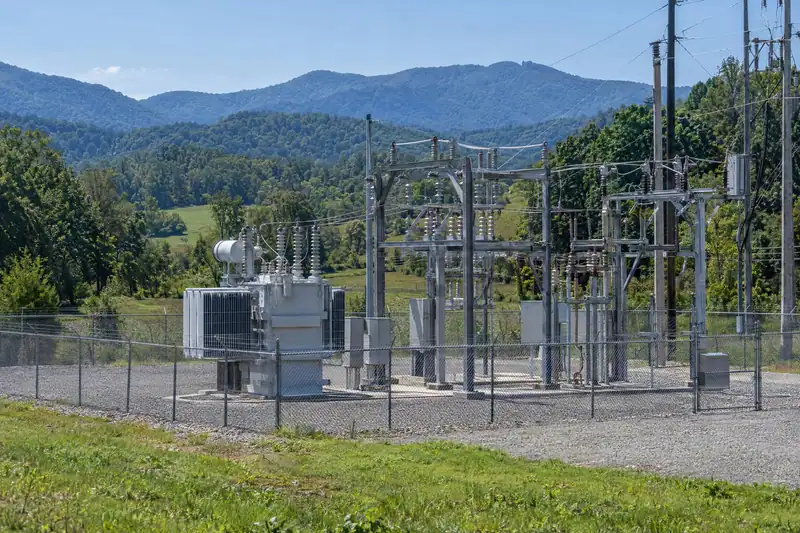
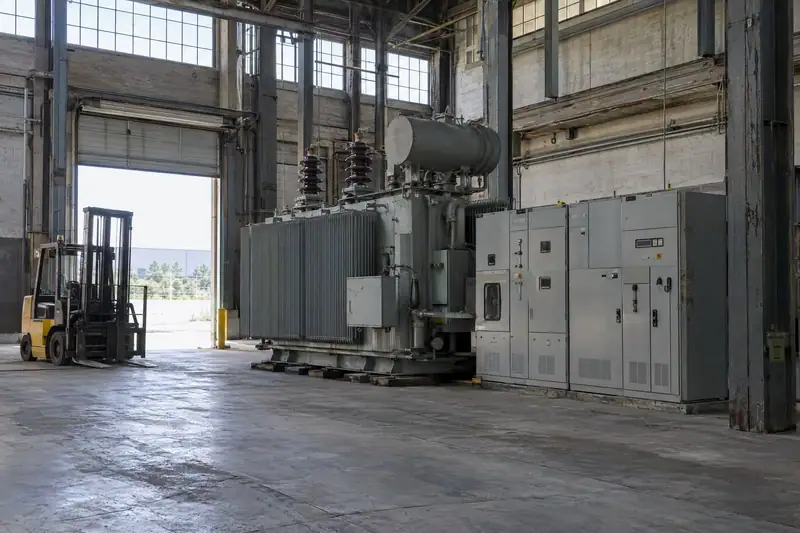
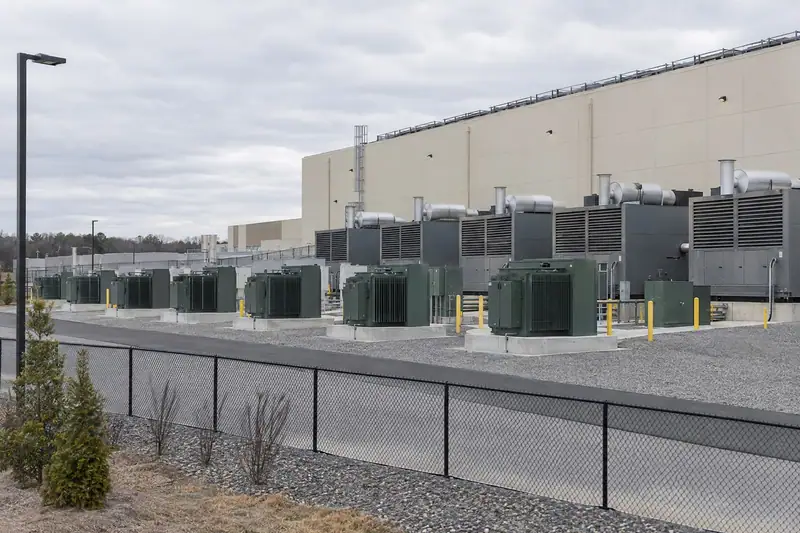
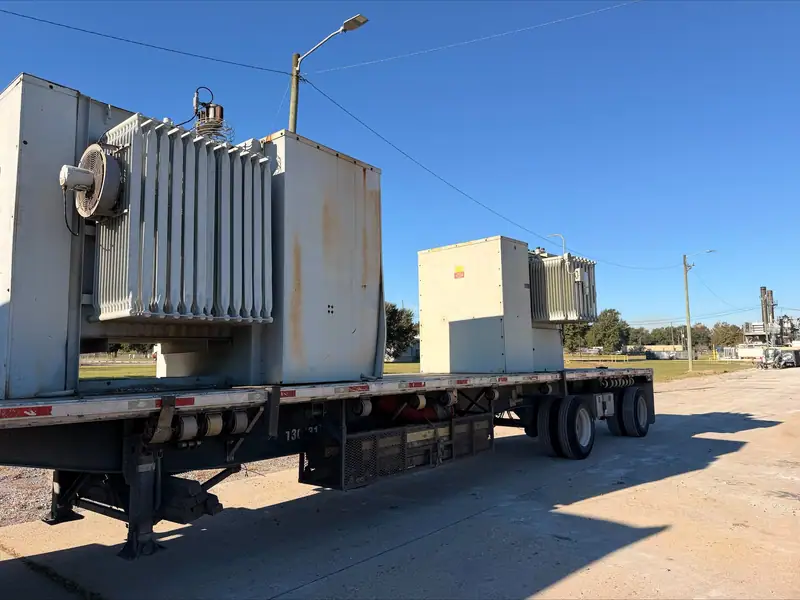
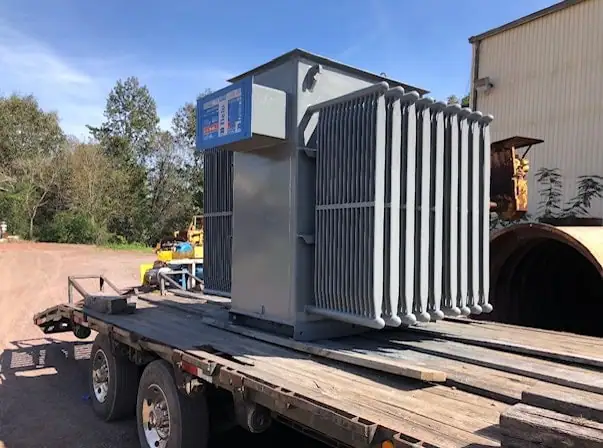
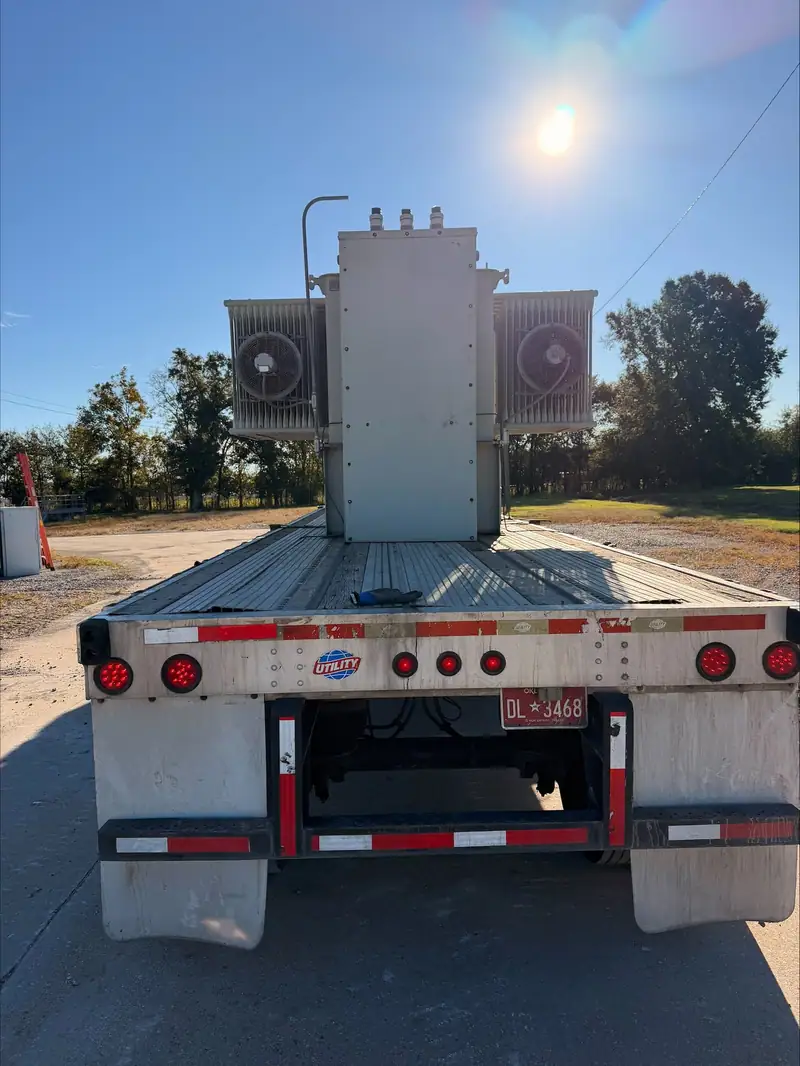
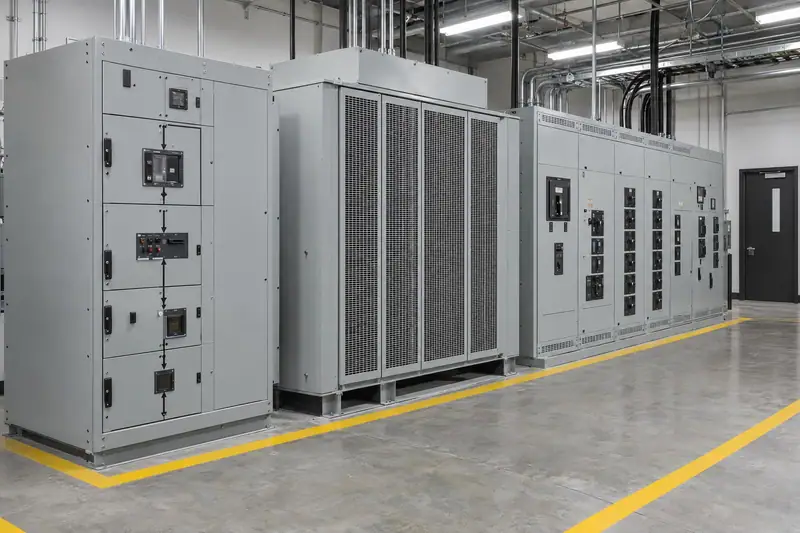
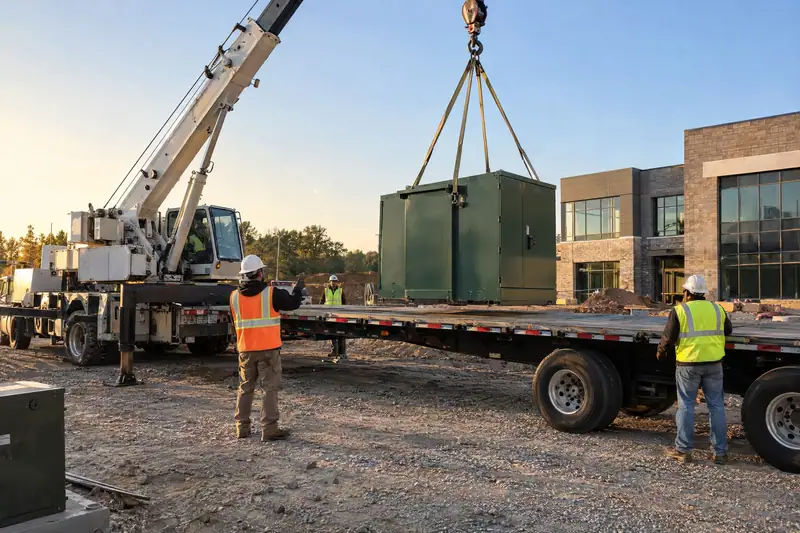
Virginia transformer surplus comes from very different sites: data center campuses, coastal industrial facilities, solar projects, manufacturing plants and rural distribution systems. We buy equipment throughout the state. The useful starting point is the transformer itself: its rating, voltage configuration, condition, ownership and location.
If you are comparing transformer buyers Virginia, match the buyer to your actual equipment rather than its ZIP code alone. Our transformer buying categories include pad-mount, pole-mount, substation, unit substation, power, dry-type and cast resin units, along with oil-filled, solar and wind equipment.
01Northern Virginia: Data Centers and Commercial Power
Northern Virginia's data center and commercial construction activity can produce unused project inventory, transformers displaced by redesigns and equipment retired during electrical upgrades. We buy new-surplus and used units from these settings, including pad-mount transformers, dry-type building transformers and larger substation equipment.
We pay attention to primary and secondary voltages, impedance, winding material when documented, and enclosure configuration. A 480Y/277 secondary rating alone does not describe the complete unit. Include the primary rating, connection diagram and any separate accessory nameplates, especially when the transformer belongs to a larger unit substation.
02Hampton Roads and Eastern Virginia: Coastal Equipment
Hampton Roads combines shipbuilding, port operations, military facilities and industrial sites. Surplus may follow facility changes, authorized asset disposal or replacement projects. We buy transformers from sellers who own the equipment or have authority to sell it; equipment on a government or shipyard site is not automatically available for private sale.
Coastal storage conditions deserve clear photos. Show cabinet bases, radiators, bushings, terminals and visible corrosion, along with any leakage or damage. Distinguish a complete transformer from a unit missing its switch compartment or accessories. For larger coastal industrial units, our transformer size information helps identify the kVA or MVA rating to report.
03Richmond, Central Virginia and Solar Project Surplus
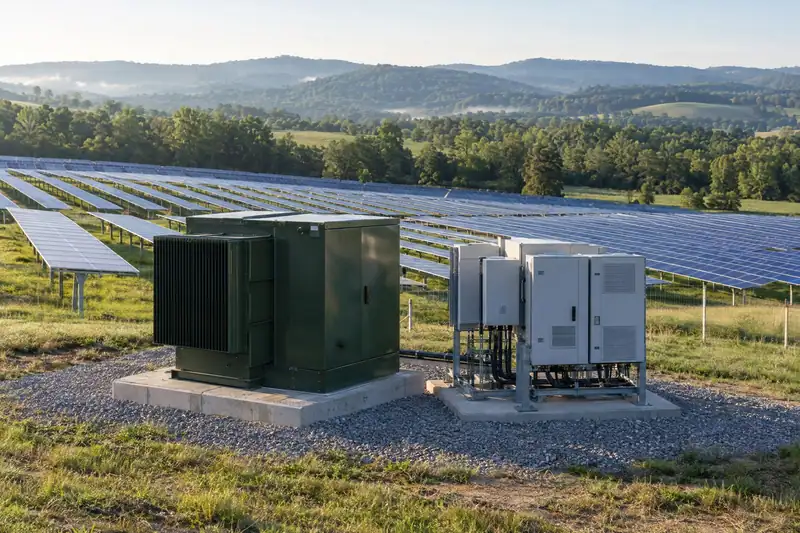
Richmond and Central Virginia bring a mix of manufacturing, warehouses, commercial facilities and solar development. We buy transformers left over from project changes as well as units removed from service. Solar equipment may include medium-voltage step-up transformers, while plants can have unit substations or dry-type transformers serving building loads.
For solar units, identify every winding and voltage rating shown on the nameplate. For stored project inventory, note whether the unit was ever energized and whether its original accessories remain with it. Fluid type also matters: report mineral oil or FR3 natural ester as documented, not from appearance. Our seller guides provide additional preparation information.
04Shenandoah Valley and Southwest Virginia
The Shenandoah Valley and Southwest Virginia include manufacturing plants, agricultural operations, distribution facilities and utility infrastructure. Surplus can come from plant shutdowns, service upgrades, spare-equipment inventories and replacement programs. We buy pole-mount and pad-mount distribution units as well as larger industrial and substation transformers in these regions.
A rural location does not exclude equipment from review. Tell us whether the transformer sits beside a paved loading area, inside a plant or beyond a narrow access road. Include approximate dimensions and nameplate weight when available. Those details are more useful for planning than a town name without information about the actual site.
05Virginia Utility Territories and Nameplate Details
Virginia's electric service mix includes Dominion Energy Virginia, Appalachian Power, electric cooperatives and municipal systems. Service requirements and installed equipment vary by location and application. We buy all transformer brands, but a utility territory does not establish ownership, and a familiar manufacturer name does not establish electrical compatibility.
Read the complete voltage and connection information. For example, 12470GrdY/7200 identifies a grounded-wye primary system rating, while 480Y/277 identifies a secondary grounded-wye rating. On larger oil-filled units, report each listed ONAN/ONAF rating rather than only the highest MVA figure. Our brand information concerns equipment identification; we are an independent buyer, not affiliated with Virginia Transformer Corp of Roanoke or any other manufacturer.
06Statewide Freight Planning and Neighboring-State Equipment
I-95, I-81 and I-64 are useful reference corridors for Virginia freight planning, but the final approach to the equipment matters just as much. Report gate restrictions, loading-area space, overhead obstructions and available loading arrangements. Large transformer dimensions and shipping weight can affect trailer selection and route planning; proximity to an interstate does not settle those questions.
Send clear nameplate and overall photos, location, quantity and condition notes through the offer form. We review the equipment and may ask about PCB documentation, test data or access; if it fits, our written offer specifies price, freight, loading and payment terms, with pickup scheduled with you and payment following those terms. See how the buying process works for details. We also review neighboring-state and nationwide equipment on request.
Frequently asked questions
Do you buy transformers in rural Southwest Virginia?
Yes, we buy transformers from sellers throughout Southwest Virginia, including rural locations. The equipment rating, condition and site access guide the review, not whether the property is near a major city. Provide the location and describe the route into the site, especially narrow gates, steep approaches or limited space around the transformer.
Can I sell a transformer that served a Dominion or Appalachian Power customer?
Yes, if you own the transformer or are authorized to sell it. Serving a customer in a particular utility territory does not establish who owns the equipment. Confirm ownership before offering it, and use your own qualified electricians for de-energizing and disconnect work. We do not perform electrical disconnect work.
Do you buy unused transformers from Virginia solar projects?
Yes, we buy new-surplus transformers from Virginia solar projects. Include the full nameplate, all winding ratings, quantity and storage condition. State whether each unit was energized, and identify missing accessories or visible damage. Transformers with similar MVA ratings can have different voltage configurations, so a project equipment list alone may not provide enough detail.
Can you review transformers across the Virginia border?
Yes, we review equipment in neighboring states and nationwide on request. Give the equipment's actual location rather than the seller's billing address, along with weight and dimensions when available. A location outside Virginia does not rule out review; freight and loading responsibilities belong in the written offer for that equipment.
Can I sell an older oil-filled transformer from a Virginia plant?
Yes, we buy older oil-filled transformers, but PCB status must be disclosed and documented. Share available fluid records and test reports, plus clear photos of the nameplate and condition. Age alone does not establish PCB status. Do not drain the fluid for our review; we do not ask sellers to drain transformers or provide environmental advice.