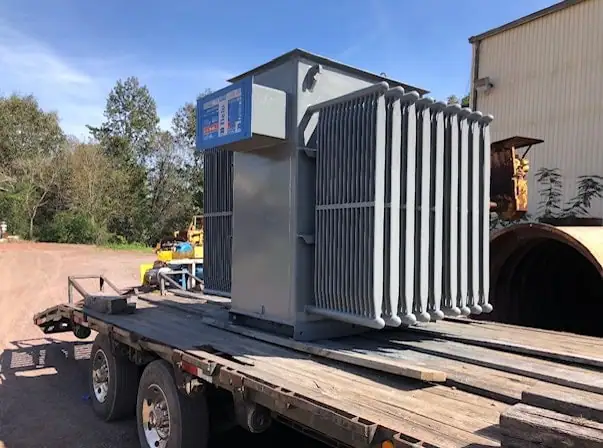
Transformer inventory can arrive through a plant closure, canceled project, auction purchase or rental fleet retirement. We buy from equipment dealers, auction companies, asset recovery firms and liquidators across Virginia. Whether you hold one unused pad-mount or a mixed yard inventory, send information that identifies what is actually available, not just the original auction description.
When dealers, auctioneers and liquidators sell surplus transformers, the useful details are often scattered across lot sheets, warehouse records and equipment tags. Bring those details together with readable nameplates and current photos. Our seller overview covers other seller situations; this page focuses on inventory lots, resale expectations and the information needed to keep a wholesale transaction clear.
01Sell Full Lots Without Losing Unit-Level Detail
We buy full transformer lots when the equipment fits, as well as individual units within an inventory. A lot can include different manufacturers, capacities, voltages and construction types. Make clear whether you are offering the inventory as an indivisible package or allowing purchases of selected units.
Give each transformer a stable inventory number and use that number in filenames, spreadsheets and photos. Two units with similar enclosures may have different secondary voltages or ratings. A group photo helps show quantity, but it cannot replace a readable nameplate for each distinct unit.
We buy single-phase units from 10 kVA and three-phase units from 15 kVA through MVA-class power transformers. Separate complete equipment from loose accessories, empty enclosures or incomplete assemblies so the offer scope matches the inventory you intend to release.
- Inventory or auction lot number matched to each nameplate
- Quantity, manufacturer, serial number and kVA or MVA rating
- Primary and secondary voltage, phase and frequency
- Condition, storage location and included accessories
- Whole-lot requirement or permission to select individual units
02Photo-Based Review Starts With Useful Evidence
Clear photos let us review the basic equipment details without relying on a lengthy sales listing. Photograph the full nameplate straight on, then capture the front, sides, connections and visible condition. If glare hides a voltage or serial number, another image is more useful than a guessed transcription.
For oil-filled units, include visible fluid identification and any available PCB documentation. PCB status must be disclosed and documented; an unreadable label or unknown status is not the same as a documented non-PCB unit. Do not drain fluid for the sale.
Send nameplate and overall photos, location, quantity and condition notes. We review them and may ask about PCB status, test data or site access; if the equipment fits, we send a written offer covering price, freight, loading and payment. Pickup is scheduled with you, and payment follows the written terms. See how the purchase process works for details.
03Wholesale Expectations Depend on the Actual Configuration
A dealer's asking price, auction estimate or original purchase cost does not establish the value of a transformer in its current condition. We pay attention to the configuration, completeness and supporting records. A 480Y/277 secondary and a 208Y/120 secondary serve different applications even when the units share a kVA rating.
Voltage notation matters. Copy a primary rating such as 12470GrdY/7200 exactly rather than shortening it to “12 kV.” On larger units, include cooling ratings such as ONAN/ONAF and the corresponding capacities. Those details help distinguish equipment that looks similar in a catalog or yard photograph.
Separate new-surplus transformer inventory from equipment that was energized, removed from service or repaired. Broader surplus transformer demand factors provide context, but a specific offer still needs the unit's actual details. We do not promise a price before reviewing them.
04Match Re-Marketing Descriptions to Equipment Condition
Auction descriptions and inherited inventory records are a starting point, not a substitute for current condition notes. Tell us whether a unit is unused, previously energized, decommissioned, repaired or failed. If its operating history is unknown, say so rather than carrying forward an unsupported “working” description.
For rental fleets, identify service history and any known changes to connections or accessories. For liquidations, distinguish intact transformers from units removed with missing bushings, damaged terminals or cut leads. We buy failed units case by case, and clear damage photos help define what is included.
For substation transformer lots, list associated switchgear and other components separately from the transformer. For cast resin units, show coil condition and enclosure completeness. Missing fans, temperature monitors or termination components should appear in the inventory notes, not emerge only during pickup planning.
05Keep Lot Changes and Commercial Terms Clear
Dealers, auctioneers and liquidators sell surplus transformers more clearly when everyone works from the same inventory version. Tell us if another buyer has reserved a unit, a lot has been split or an accessory has been removed. Update the unit list rather than leaving changes buried in a message thread.
Identify who can approve the sale and who coordinates access at the storage site. An auction company may manage the sale while a facility representative controls the loading area. Flag bid deadlines, collection windows and release requirements so those constraints are visible during review.
Our written offer spells out price, freight, loading and payment terms. Compare those terms with your wholesale requirements, including any whole-lot condition. If quantity, condition or location changes, tell us before scheduling pickup so the equipment being released matches the agreed transaction.
06Plan for Yard Inventory and Multiple Locations
We serve sellers in every region of Virginia and review equipment in neighboring states and nationwide on request. For inventory spread across locations, group the list by site. Include loading access, available handling arrangements and any restrictions on collection hours.
Stored equipment and connected equipment require different preparation. Note whether each transformer is on a pallet, sitting outdoors, inside a building or still installed. Nameplate weight and dimensions, when available, help describe the handling requirement without relying on enclosure size alone.
We do not perform electrical disconnect work. Sellers use their own qualified electricians to de-energize and disconnect installed equipment before pickup. Ready to present a dealer inventory or liquidation lot? Submit your transformer lot for an offer with a unit list and matching photos.
Frequently asked questions
Will you buy an entire mixed transformer auction lot?
We buy entire mixed transformer lots when the equipment fits. Identify every unit and state whether the lot must sell together or can be split. Mixed brands and construction types are acceptable inventory categories, but each unit still needs its own rating and condition information. Failed units receive case-by-case review rather than automatic inclusion.
Can I submit a dealer spreadsheet instead of individual listings?
Yes, a dealer spreadsheet is useful when its rows match identifiable units and photos. Include inventory numbers, quantities, ratings, voltages, locations and condition notes. Supply readable nameplate images alongside the spreadsheet, especially where records are incomplete or inconsistent. A spreadsheet organizes the lot; it does not replace evidence of the equipment actually available.
Do unopened transformers count as new surplus without records?
Unopened packaging alone does not establish a transformer's service history or condition. Describe what you know about purchase, storage and prior use, and provide any available records. We buy new-surplus transformers, but the description should reflect supported facts. Show nameplates and visible packaging condition, and identify missing accessories or known storage damage.
Can you review transformer lots before an auction deadline?
You can submit transformer lot information before an auction deadline, but we do not promise a review or offer within a fixed time. Include the deadline, sale authority, lot restrictions and collection window with the equipment details. Make clear whether you own the inventory or are submitting it on the owner's behalf.
Should I include damaged transformers in a liquidation inventory?
Yes, include damaged or failed transformers, clearly labeled, for case-by-case review. Describe the known failure, missing parts, leaks or physical damage and provide close-up photos. Keep those units distinct from equipment described as operational. For oil-filled transformers, PCB status must be disclosed and documented, and sellers should not drain fluid for the sale.
Can one submission cover transformers stored in several states?
Yes, one submission can cover multiple locations, including equipment outside Virginia for review on request. Organize the inventory by site and identify the contact responsible for access at each location. Freight, loading and payment terms belong in the written offer, so do not assume that arrangements for one yard also apply to another.