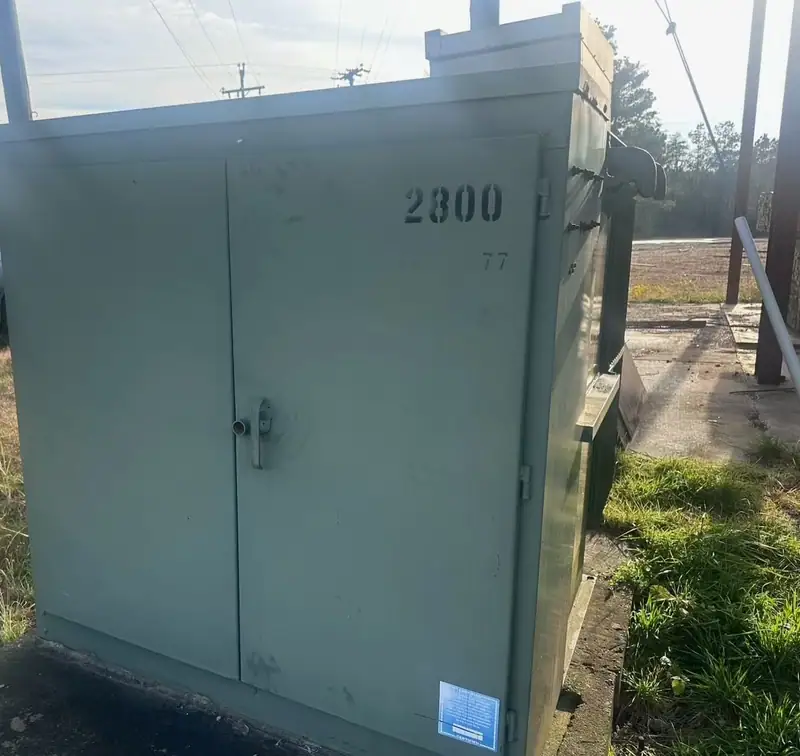
An RTE transformer may still be serving a plant, sitting disconnected after a service upgrade, or stored with equipment left over from a project. We buy used and surplus RTE units, including older equipment with a readable plate and an identifiable configuration. Age is useful context, but it does not replace the electrical ratings or condition history.
If you want to sell RTE transformer equipment, start with the actual unit rather than a brand description from an inventory spreadsheet. The nameplate and connection compartments usually tell us more than the cabinet paint or a handwritten asset number. RTE is one of the equipment names covered on our transformer brands page.
01Identifying RTE Equipment and Its Cooper Heritage
RTE Corporation of Waukesha, Wisconsin, was acquired by Cooper Industries in 1988. RTE units share heritage with later Cooper Power Systems designs. That history helps explain related names in older equipment records, but it does not establish the ratings, components or interchangeability of a particular transformer.
Photograph the manufacturer identification exactly as it appears. Include the serial number, catalog or model number if listed, and manufacture date or year when present. If an equipment register calls the unit Cooper but its plate says RTE, send both records and identify which belongs to the physical unit.
Virginia Transformer Buyers is an independent buyer, not affiliated with RTE, Cooper or any other manufacturer, including Virginia Transformer Corp of Roanoke. Brand names describe equipment only. Do not infer the manufacturer from a facility's location or a replacement transformer's label.
02RTE Pad-Mount Transformers: Cabinet and Connections
We buy RTE pad-mount transformers, including single-phase units from 10 kVA and three-phase units from 15 kVA. For an older pad-mount, the primary interface matters: loop-feed or radial-feed configuration, dead-front or live-front construction, and the installed bushings or bushing wells. These details cannot reliably be determined from the exterior alone.
A plate showing 12470GrdY/7200 primary and 480Y/277 secondary provides a much clearer starting point than 'industrial transformer.' Include any listed taps, impedance, fluid type and total weight. Photos should also show cabinet corrosion, damaged doors, missing components and visible leakage without requiring anyone to open energized compartments.
- Identify whether the unit is single-phase or three-phase.
- Show the complete primary and secondary voltage markings.
- Describe missing elbows, inserts, bushings or secondary terminals if known.
- Note whether the transformer is operating, disconnected or stored.
- Disclose and document PCB status for fluid-filled equipment.
03RTE Substation Units: Ratings Beyond the kVA
We buy RTE substation transformers and unit substation equipment through MVA-class power transformers. Send the entire rating plate, not just the largest kVA number. A plate may list multiple capacities tied to cooling classes such as ONAN and ONAF; the fan-assisted rating should not be treated as the only operating rating.
The physical arrangement matters alongside voltage and capacity. Show the high-voltage entry, low-voltage connection area, radiators, fans and any attached terminal chambers. Describe switchgear or other equipment attached to the transformer separately so the equipment being offered is clear.
For a removed substation unit, tell us whether bushings, radiators or accessories were detached for transport and whether they remain with it. Available test reports and maintenance records help explain its history. Do not energize equipment or commission new tests solely to provide an initial description.
04RTE Dry-Type Transformers Need a Different Description
We buy RTE dry-type transformers, including surplus and used units removed from building distribution systems. Their plates should show kVA, phase, frequency, primary and secondary voltages, and available tap information. Where listed, include insulation class, temperature rise and winding material rather than guessing from the enclosure.
Dry-type condition notes should focus on moisture exposure, damaged coils, overheating evidence, broken supports and missing enclosure panels. A dusty enclosure is not the same condition issue as visible winding damage. Photograph accessible areas only when the equipment has been made safe by the seller's qualified personnel.
Keep each unit's photographs matched to its plate, especially when several similar transformers came out of one electrical room. Two enclosures that look alike may have different voltages or capacities. We review failed or damaged dry-type units case by case.
05Nameplate, Condition and PCB Records for Older RTE Units
To sell RTE transformer equipment with fewer identification gaps, provide a straight-on, readable photograph of the full plate. Capture separate fluid labels and warning labels too. Our transformer nameplate guide explains common fields, but preserve the original notation rather than shortening a grounded-wye voltage or omitting a cooling designation.
PCB status must be disclosed and documented for fluid-filled units. Manufacturer age, fluid appearance and a seller's recollection are not substitutes for documentation. If records are unavailable, say so clearly; do not describe the unit as non-PCB without supporting information.
Tell us about leaks, fault events, repairs, storage conditions and any known missing parts. Available test data should identify the specific transformer and test date. We do not ask sellers to drain fluid, and we do not provide engineering, legal or environmental advice.
06Virginia Sources and Preparing an RTE Unit for Sale
RTE equipment offered for sale may come from factory service upgrades, warehouse renovations, commercial property redevelopment or utility inventory changes. Electrical contractors may also have project surplus or customer-owned equipment awaiting disposition. We serve sellers in every Virginia region, from Northern Virginia and Hampton Roads to Richmond, the Shenandoah Valley and Southwest Virginia.
For equipment still installed, identify the owner and describe the removal status. For stored units, note whether access involves a loading dock, an indoor electrical room or an outdoor pad. We do not perform electrical disconnect work; sellers use their own qualified electricians to de-energize and disconnect equipment.
Send photos, location, quantity and condition notes through the offer form. We review the information and may ask about PCB records, test data or access. If the equipment fits, a written offer spells out price, freight, loading and payment terms; pickup is scheduled with you, and payment follows those terms. See how the buying process works for details.
Frequently asked questions
Can I sell an RTE transformer made before Cooper acquired RTE?
Yes, we buy older RTE transformers, including equipment manufactured before the 1988 acquisition by Cooper Industries. Send the original plate, serial number and manufacture year if shown. The acquisition date does not determine whether a unit fits; its electrical ratings, configuration, condition and fluid documentation provide the useful details.
My inventory says Cooper, but the transformer plate says RTE. Which name should I use?
Use the manufacturer name shown on the transformer's own plate and include the inventory description as supporting information. RTE units share heritage with later Cooper Power Systems designs, but that does not make every model equivalent. Send photos of all identification plates so records can be matched to the correct unit.
Do you buy a used 1,500 kVA RTE pad-mount transformer?
Yes, we buy used 1,500 kVA RTE pad-mount transformers. For a 1,500 kVA transformer, include primary and secondary voltages, impedance, feed configuration and condition notes. Provide documented PCB status for fluid-filled equipment, and identify missing bushings, terminals or cabinet parts. Failed units are reviewed case by case.
Can you identify an RTE transformer if its nameplate is unreadable?
An unreadable nameplate limits identification, but supporting records may help establish what the RTE unit is. Send close-up plate photos, overall views and any serial-linked drawings or maintenance records. Do not scrape away markings or guess voltage ratings from cabinet size. Tell us which details are confirmed and which remain unknown.
Does an old RTE oil-filled transformer need PCB documentation?
Yes, PCB status must be disclosed and documented for an RTE oil-filled transformer. Its age or brand alone does not establish fluid status. Send available fluid records or test documentation tied to the unit, and clearly identify missing records. We do not ask you to drain the transformer or provide environmental advice.
Can I sell an RTE unit substation without its attached switchgear?
You can offer the RTE transformer separately, but clearly identify what is included and what will remain onsite. Photograph its connection chambers and describe how the attached equipment is configured. Include transformer ratings and removal status. Your qualified electrician handles de-energizing and disconnection; loading and freight responsibilities follow the written offer.