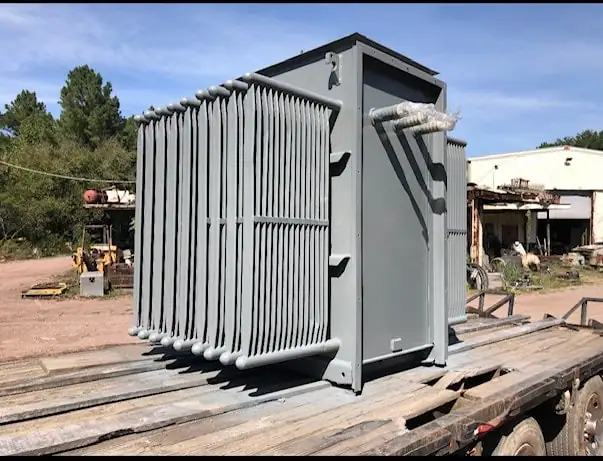
A Waukesha transformer can carry more information than a single MVA rating suggests. Separate cooling ratings, a load tap changer and a specified impedance all help describe the equipment. We buy Waukesha and SPX Transformer Solutions units from sellers throughout Virginia, whether the transformer is a spare, a retired operating unit or unused surplus.
For sellers searching “sell Waukesha transformer,” the starting point is the actual nameplate, not a general description of the station it served. Our transformer nameplate guide explains where to find the ratings. Photograph the complete plate so we can read the manufacturer, serial number, year, voltages and cooling information together.
01Waukesha and SPX Names on the Equipment
Waukesha Electric built medium power transformers in Waukesha, Wisconsin, later as SPX Transformer Solutions. SPX Transformer Solutions was acquired by Prolec GE in 2021. Older equipment and records may therefore use different company names; identify the unit by the wording on its own nameplate.
We buy Waukesha and SPX Transformer Solutions equipment across sizes and configurations, including medium and large power transformers. A brand name alone does not establish the unit’s design, voltage or condition. The serial number and electrical ratings keep the discussion tied to the specific transformer you own.
Virginia Transformer Buyers is an independent buyer, not affiliated with Waukesha, SPX Transformer Solutions, Prolec GE or any other manufacturer, including Virginia Transformer Corp of Roanoke. Brand names describe equipment only. You can find other equipment names on our transformer brands page.
02Identify the Unit Beyond Its Main MVA Rating
Send a straight-on photograph of the main nameplate with enough resolution to read small text. Include the manufacturer’s serial number, manufacturing year, phase, frequency, kVA or MVA ratings, high- and low-voltage ratings, impedance and connection diagram. If there is a tertiary winding, include its voltage and rating too.
Record every cooling-stage rating rather than choosing the largest number. ONAN identifies oil-natural, air-natural cooling; ONAF adds forced-air cooling. A transformer with several listed ratings needs those ratings matched to its cooling stages, along with notes about which fans and cooling components are present.
Photograph accessory plates and diagrams separately when the main plate cannot tell the whole story. Tap changer identification, fluid information and total weight can be important. For example, a 20 MVA transformer listing still needs its voltage ratio, cooling ratings and shipping-related details to describe the equipment accurately.
- Show both the high-voltage and low-voltage ratings, including any listed tap ranges.
- Capture the serial number and year exactly as shown, including letters or suffixes.
- Include readable winding connection and tap-position diagrams.
- Photograph oil quantity, fluid type and weight information if listed.
- Keep accessory nameplates associated with the correct transformer when selling multiple units.
03Load Tap Changers Need Their Own Description
A load tap changer changes the transformer ratio while the transformer remains energized and carries load. It is different from a de-energized tap changer, which must not be operated while energized. On Waukesha substation transformers, tell us which type is installed rather than simply saying the unit has taps.
Photograph the tap changer nameplate, drive mechanism exterior and control cabinet where safely accessible. Useful details include the make and model, number of positions, regulating range, last known operating condition and maintenance records. Note whether the controls, motor drive and associated wiring remain with the transformer.
An operating transformer can still have a tap changer problem. Tell us about reported switching issues, leaks, alarms or components removed during retirement. Do not operate the mechanism just to demonstrate it for a sale; existing records and an accurate description are more useful than an unplanned test.
04Condition Records That Help Describe Waukesha Units
We buy used, new-surplus and decommissioned Waukesha transformers. Explain when the unit last operated, why it was removed and how it has been stored. Retirement during a station upgrade is a different history from removal after a protective trip, even when the two units have similar nameplate ratings.
Existing oil analysis, dissolved gas analysis, insulation power-factor results, winding resistance and turns-ratio records help describe condition when available. Include test dates and the transformer serial number. A report from years before retirement should not be presented as proof of current condition, and a single result does not explain every possible fault.
Disclose PCB status and provide documentation; do not infer it from the brand or manufacturing year alone. Identify the insulating fluid from reliable records, including FR3 natural ester if documented. Tell us about leaks, damaged bushings, missing radiators or failed components. Failed or damaged units receive case-by-case review, and we do not ask sellers to drain fluid.
05Virginia Sources: Station Spares and Retired Assets
Virginia sellers may have Waukesha equipment available after utility station upgrades, industrial plant changes, generation-project changes or retirement of a spare. We serve every region of the state. Tell us the equipment’s actual location rather than only the company’s mailing address, especially when several stations or storage sites are involved.
A station spare may have spent years in storage without being installed. Describe whether bushings, radiators, fans and control cabinets are attached or stored separately. If the transformer is unused surplus, include any available storage and preservation records rather than assuming unused means ready to energize.
For equipment retired from an operating substation, distinguish the transformer from surrounding equipment. Identify any separate switchgear, breakers or station structures shown in the photos so the sale scope is clear. If you want to sell Waukesha transformer assets as a group, label each unit’s photos and records by serial number.
06Define What Is Included and How It Can Leave
Large transformer transactions need a clear equipment boundary. State whether the bushings, radiators, conservator, fans, control cabinets and tap changer components are included. Photograph loose accessories and identify missing pieces. Nameplate total weight is useful, but do not assume it equals transport weight under every shipping configuration.
Describe site access, the transformer’s current position and any known loading restrictions. We do not perform electrical disconnect work; sellers use their own qualified electricians to de-energize and disconnect. We do not provide engineering, legal or environmental advice. Keep photos to areas you can access safely.
Send photos, location, quantity and condition notes through Get an Offer. We review the information and may ask about PCB documentation, test data or access. If the equipment fits, our written offer states price, freight, loading and payment terms; pickup is scheduled with you, and payment follows those terms. See how the buying process works for details.
Frequently asked questions
Can I sell a transformer labeled SPX Transformer Solutions instead of Waukesha?
Yes, we buy transformers labeled SPX Transformer Solutions as well as Waukesha. Send the actual manufacturer nameplate rather than relying on a facility inventory description. Include the serial number, year, ratings and overall photos so the equipment can be identified correctly. Brand names describe the equipment and do not indicate manufacturer affiliation.
Which MVA rating should I list for a Waukesha transformer with multiple cooling ratings?
List every nameplate MVA rating and its corresponding cooling class. ONAN and ONAF ratings describe different cooling conditions, so the highest listed rating alone leaves out important information. Photograph the complete rating block and tell us whether fans, radiators and their controls are present, missing or known to be inoperative.
Can I sell a Waukesha substation transformer with a faulty load tap changer?
A Waukesha transformer with a faulty load tap changer can be submitted for case-by-case review. Describe the known fault separately from the condition of the main transformer. Include the tap changer make and model, available maintenance records and any removed components. Do not describe the complete unit as fully operational if the tap changer has unresolved problems.
Does the manufacturing year establish a Waukesha transformer's PCB status?
No, the manufacturing year alone does not establish PCB status. PCB status must be disclosed and documented for the specific transformer. Send available fluid test results and relevant records, matched to its serial number. Do not substitute a brand-based assumption or a general statement about the facility for equipment-specific documentation.
Can I sell a Waukesha transformer whose radiators and bushings are stored separately?
Yes, we buy Waukesha transformers with accessories stored separately, provided the equipment and its condition are described accurately. Photograph the loose components, identify which transformer they belong to and note anything missing or damaged. Include any available packing lists or removal records so the proposed sale clearly identifies the transformer and included accessories.