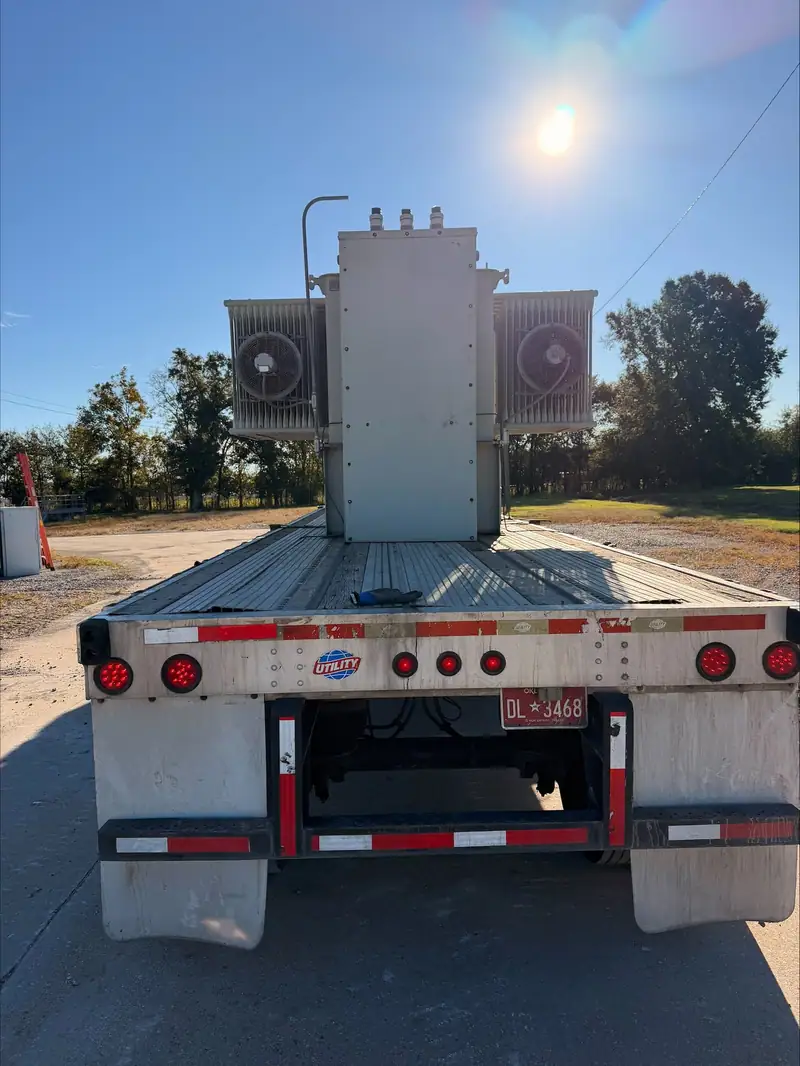
A Hyundai transformer released from a utility project or generating station needs more than a brand label to identify its value to another project. We buy surplus, used, new-surplus and decommissioned units, including large power transformers, substation transformers and generator step-up equipment. The useful starting point is the complete nameplate, not just the highest MVA rating.
HD Hyundai Electric builds power transformers and operates a US transformer plant in Montgomery, Alabama. Hyundai power transformers serve US utilities and large generation projects. Virginia Transformer Buyers is an independent buyer, not affiliated with Hyundai, HD Hyundai Electric or any other manufacturer. Names on this page and our transformer brand directory describe equipment only.
01Hyundai Power, Substation and GSU Transformers We Buy
We buy Hyundai and HD Hyundai Electric transformers across different ratings and applications. For large units, the application matters because it helps explain the winding arrangement, voltage ratio, cooling equipment and accessories. A utility transmission transformer and a generator step-up transformer may have similar MVA ratings but very different electrical configurations.
Our power transformer buying page covers MVA-class equipment. For Hyundai units, identify whether the transformer served transmission, distribution, industrial load or generation. Include any tertiary winding shown on the nameplate rather than describing the unit simply as a two-voltage transformer.
We also buy substation transformer equipment, including units released during station replacement or expansion. Include the transformer’s own rating separately from the rating of associated switchgear. If a sale includes multiple transformers, list each serial number and configuration individually.
- Large power transformers with their nameplate MVA stages and voltage ratings.
- Substation transformers used to supply distribution systems or industrial loads.
- Generator step-up transformers that raise generator output voltage for connection to a higher-voltage system.
- New-surplus, used and decommissioned units; failed or damaged equipment reviewed case by case.
02Identify the Manufacturer, Serial Number and Year
Photograph the manufacturer’s name exactly as it appears on the plate, whether it says Hyundai or HD Hyundai Electric. Include the serial number, manufacturing year, model or type designation, and any project or customer identification. Do not substitute a station asset number for the manufacturer’s serial number; both can be useful, but they identify different things.
Take one photograph showing the entire plate and closer photographs where small lettering is difficult to read. Large transformers can carry separate plates for the main tank, tap changer and bushings. Label those photos so an accessory serial number is not mistaken for the transformer serial number.
Our transformer nameplate guide explains the main fields. For a Hyundai unit, preserve the original wording and units when copying information. A plate marked in MVA, a drawing marked in kVA and a site inventory with rounded values can otherwise create avoidable confusion.
03Ratings and Configuration That Matter on Large Hyundai Units
We pay attention to every cooling-stage rating, not only the largest number printed on the plate. ONAN identifies oil natural, air natural cooling; ONAF adds forced-air cooling. A higher rating dependent on fans should be accompanied by information about whether the required fans and controls are present.
Record the rated voltage for each winding, frequency, phase count, impedance and connection diagram. Include the tap range and identify whether the transformer has an on-load tap changer or a de-energized tap changer. These details help distinguish units that look similar from the outside but serve different system requirements.
For a generator step-up unit, identify the generator-side and system-side voltages and the winding connections. For a multiwinding transformer, include the tertiary rating and voltage. If documentation references IEEE C57 standards, share the actual document rather than assuming the reference establishes the unit’s present condition.
- MVA ratings for each cooling stage and available cooling accessories.
- High-voltage, low-voltage and tertiary ratings, where applicable.
- Winding connections, impedance, frequency and tap information.
- Insulating fluid type, nameplate fluid quantity and total weight.
- Available outline drawings, factory reports and maintenance records.
04Condition, Accessories and Storage History
Condition descriptions should separate what is known from what has not been checked. Tell us whether the transformer was operating before removal, was held as a spare or was never energized. For new-surplus equipment, explain the storage conditions and whether installation accessories remain with the unit.
Photograph the tank, bushings, radiators, conservator if fitted, control cabinets and tap-changer equipment. Identify missing or separately stored components, including fans, pumps, gauges and bushing assemblies. An inventory of loose accessories is especially useful when a large transformer has already been prepared for transport.
We buy failed Hyundai units case by case. Describe the event, visible damage and available findings without calling the transformer repairable unless supporting information exists. PCB status must be disclosed and documented. Identify the fluid from records or labeling, including FR3 natural ester where documented; we do not ask sellers to drain fluid.
05Virginia Sources and Site Details for Hyundai Transformers
Virginia sellers may have Hyundai equipment available after utility substation upgrades, generating-station changes, industrial plant closures or canceled construction projects. Other sources include spare inventories and transformers purchased for expansions that did not proceed. Explain why the unit is available and whether it remains installed, disconnected or in storage.
We serve sellers in every region of Virginia and review equipment in neighboring states and nationwide on request. For a large Hyundai transformer, the exact equipment location matters more than a general regional description. Share whether the unit sits inside an operating substation, at a generating facility or in an outdoor storage area.
Outline drawings and shipping weights help define the handling requirements. Note restricted gates, overhead obstructions, foundations and any accessories already removed for shipment. Sellers use their own qualified electricians to de-energize and disconnect equipment; we do not perform electrical disconnect work.
06Request an Offer for Your Hyundai Transformer
To sell Hyundai transformer equipment, send clear nameplate and overall photos, location, quantity and condition notes. We review the information and may ask about PCB documentation, test data or site access. If the equipment fits, we send a written offer specifying price, freight, loading and payment terms; pickup is scheduled with the seller, and payment follows those terms. See how the buying process works for details.
Use the Hyundai transformer offer form to share the equipment information. If several units are available, attach a simple list matching each serial number to its photos and records. That keeps differences in voltage, accessories and condition clear.
Frequently asked questions
Do you buy transformers labeled HD Hyundai Electric?
Yes, Virginia Transformer Buyers buys transformers labeled Hyundai or HD Hyundai Electric. Photograph the exact manufacturer name along with the serial number, year and electrical ratings. We buy surplus, used, new-surplus and decommissioned equipment, including large power, substation and generator step-up units. Manufacturer names describe the equipment; we are not affiliated with the manufacturer.
Can I sell a Hyundai generator step-up transformer from a retired plant?
Yes, we buy Hyundai generator step-up transformers released from generating facilities. Include the MVA ratings, generator-side voltage, system-side voltage, winding connections and condition history. Tell us whether the transformer remains connected and whether its bushings, cooling equipment and controls are included. Failed or damaged units receive case-by-case review.
Which MVA rating should I report on a Hyundai transformer?
Report all MVA ratings shown on the Hyundai transformer nameplate, including their associated cooling classes. The highest rating may depend on operating fans or pumps, so reporting it alone leaves out important information. A unit around this size can also be described using our 20 MVA transformer guidance, but the actual nameplate ratings control.
Can I sell a Hyundai transformer with missing radiators or bushings?
Send the details of a Hyundai transformer with missing radiators or bushings so we can review its completeness and condition. Identify which components are missing and which are stored separately. Include photographs and any accessory inventory. If the transformer is also failed or damaged, we review it case by case rather than treating it as a complete operating unit.
Do I need factory test reports to sell a used Hyundai transformer?
Factory test reports are useful, but you can submit a used Hyundai transformer without them. Start with legible nameplate photographs and an accurate condition description. If available, include maintenance records, oil-test results, electrical test reports and drawings. Identify each report’s date and matching serial number so old records are not mistaken for current condition evidence.
Should I drain the oil before selling a Hyundai power transformer?
No, we do not ask sellers to drain transformer fluid before a sale. Disclose and document PCB status, and provide the fluid type and quantity when known. Any fluid handling should be addressed through the seller’s qualified resources and the agreed arrangements. Virginia Transformer Buyers does not provide environmental, legal or engineering advice.