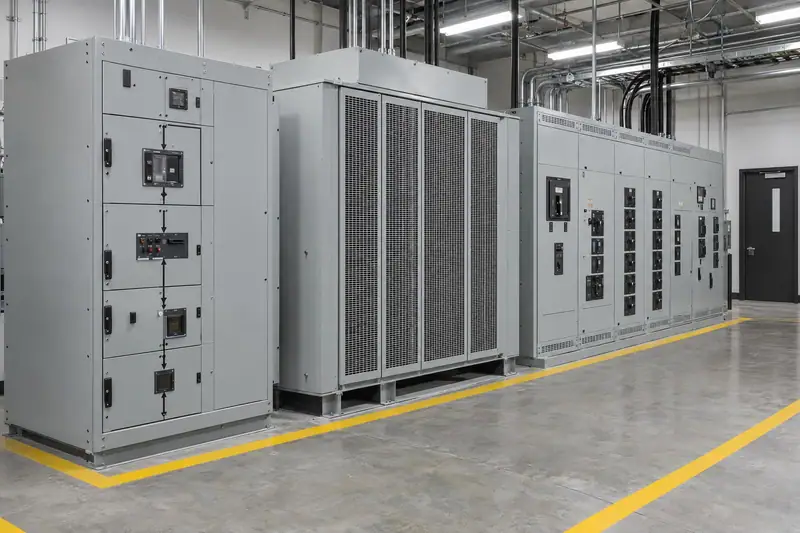
Taking a transformer out of service involves more than opening a breaker and arranging a truck. Facility managers need to preserve useful equipment information while coordinating electrical safety, production schedules, fluid handling and physical access. A missing nameplate photo or an overlooked doorway can complicate a sale after the outage is complete.
Use this transformer decommissioning checklist as a planning guide, not as instructions for electrical work or environmental compliance. We buy surplus and decommissioned equipment across Virginia, including oil-filled, dry-type, cast resin, pad-mount and substation transformers. Our seller guides provide additional background for organizing equipment before a sale.
011. Build an inventory before the outage
Assign each transformer a unique inventory identifier and match it to its facility asset tag. Photograph the nameplate while it is accessible, without entering energized compartments or crossing electrical safety boundaries. If several units look alike, use the identifier on every photo and document so specifications do not get mixed.
Record the manufacturer, serial number, kVA or MVA rating, primary and secondary voltages, phase, frequency and stated weight. A designation such as 12470GrdY/7200 or 480Y/277 carries information that a shortened voltage description can lose. For larger units, capture impedance, tap range and cooling classes such as ONAN/ONAF.
- Record quantity, exact site location and current service status.
- Identify oil-filled, dry-type or cast resin construction.
- Note fluid type and nameplate fluid volume where listed.
- List attached radiators, fans, cabinets and control accessories.
- Photograph visible leaks, corrosion, broken parts or missing components.
- Keep asset tags separate from manufacturer serial numbers.
022. Preserve operating history and supporting documents
Gather existing inspection reports, maintenance records, drawings and test results before records are archived or staff responsibilities change. Useful documents may include insulation test results, transformer turns ratio results and oil reports. Identify the date and equipment serial number for each report; an undated result from an unidentified unit provides little usable context.
State why the transformer is being retired. A facility closure, voltage conversion or capacity upgrade is different from a protective trip, overheating event or internal fault. We buy decommissioned units and review failed units case by case. Describe known problems directly rather than labeling every removed transformer as working.
Keep the equipment complete when practical
Document accessories before anything is separated for access or transport. If radiators, fans, bushings, gauges or control cabinets must be removed by qualified personnel, label them to the correct unit and record their condition. Review selling versus scrapping a transformer before making irreversible changes that could affect its reuse potential.
033. Plan the outage and qualified electrical disconnect
Coordinate the outage with facility operations and your qualified electrical contractor. The planning scope should identify affected loads, alternate supplies, outage authorization and the responsible personnel. Include secondary backfeed possibilities and connections to generators, solar systems or other sources in the contractor’s review.
Your qualified electricians must manage de-energizing, lockout/tagout, verification of the safe electrical condition and disconnect work under applicable requirements and site procedures. Virginia Transformer Buyers is a buyer, not an electrical contractor. We do not perform this work or provide engineering advice, and a scheduled pickup does not establish that equipment is electrically safe.
- Confirm who authorizes the outage and communicates it to affected users.
- Have qualified personnel identify all relevant electrical sources.
- Assign responsibility for lockout/tagout and disconnect completion.
- Plan how remaining cables and facility connections will be secured.
- Document who releases the disconnected unit for removal.
044. Document PCB status and protect against fluid releases
PCB status must be disclosed and documented for oil-filled equipment. Do not assume a transformer is non-PCB based solely on its age, appearance or manufacturer. Keep available fluid analysis, labels and supporting records together, and identify any uncertainty before arranging removal. Your environmental professional should determine what documentation and handling requirements apply.
Record whether the unit contains mineral oil, FR3 natural ester or another identified fluid. Fluid type and PCB status are separate facts; a fluid description alone does not establish documented PCB status. Our transformer oil testing guide explains common report fields, but we do not provide environmental advice or ask sellers to drain fluid.
- Photograph fluid labels, sampling labels and existing containment.
- Record visible leaks and the condition of valves and fittings.
- Have responsible site personnel plan suitable spill precautions.
- Keep fluid-related documents tied to the correct serial number.
- Resolve undocumented PCB status with qualified environmental support.
055. Survey the removal path before arranging lifting
Trace the entire route from the installed position to the proposed loading area. Check door openings, overhead obstructions, tight turns, slopes, floor transitions and outdoor access. A transformer that entered during construction may no longer have an unobstructed exit. Measure the unit and route rather than relying on old installation drawings.
Provide available nameplate weight and dimensional information to the qualified rigging provider. Shipping weight, installed weight and weight after accessory removal may differ. The provider must determine suitable lifting methods, equipment and support conditions. Do not treat cooling fins, radiators or convenient-looking projections as lifting points.
- Measure width, height and turning clearance along the route.
- Identify stairs, trenches, vault openings and below-grade locations.
- Flag floors or covers whose load capacity needs professional review.
- Check truck access, gate restrictions and staging space.
- Assign responsibility for temporary barriers or building modifications.
066. Coordinate sale, rigging and transportation responsibilities
Send us a clear nameplate photo, overall photos, location, quantity and condition notes. We review the equipment and may ask about PCB status, test data or site access. If it fits, we send a written offer stating price, freight, loading and payment terms; pickup is scheduled with the seller, and payment follows those terms. See how the buying process works for details.
Keep the sale agreement separate from assumptions about contractor scope. Confirm who arranges rigging, supplies loading equipment and prepares the unit for transport. The qualified rigging provider and carrier should resolve load dimensions, weight, securement and any route restrictions. Do not assume freight terms automatically include disconnect work or building access changes.
Provide photos that show the removal conditions
Include views of the transformer base, surrounding clearance, access route and loading area, taken from safe locations. For outdoor single-phase pad-mount transformers, show the enclosure and surrounding obstacles without opening energized compartments. Submit the equipment information through request a written offer before committing to removal arrangements.
077. Close out the asset and keep a removal record
Finish the transformer decommissioning checklist by reconciling the equipment list against what actually left the site. Record serial numbers, quantity, separated accessories, pickup date and receiving party. Keep the written sale terms and available transport documents with the equipment file rather than only in an individual employee’s inbox.
Have the responsible site personnel confirm that remaining electrical connections, openings and work areas have been addressed. Retain electrical work records, PCB documentation and any fluid-handling records under your organization’s applicable requirements. We do not provide legal or environmental retention advice; ask the appropriate professional when a required record or retention period is unclear.
Frequently asked questions
Can I get an offer before the transformer is disconnected?
Yes, you can submit equipment information before the transformer is disconnected. Send safely obtained nameplate and overall photos, location, quantity and condition notes, and explain the planned outage. We can review that information while you coordinate your own qualified electricians. Disclose any access limitations that prevent complete photographs or documentation.
Should I drain transformer oil before removal?
Do not drain transformer fluid at our request; we do not ask sellers to do that. Document the fluid type, available volume information, leaks and PCB status instead. Any required fluid handling should be determined by the appropriate qualified professionals and coordinated with the removal plan, not undertaken simply to prepare a unit for sale.
What if the transformer has no PCB test report?
Disclose that the PCB documentation is missing before arranging a sale or removal. An absent report does not establish either PCB contamination or non-PCB status. Gather existing labels and records, then ask your qualified environmental professional what documentation is needed. PCB status must be disclosed and documented; appearance and age are not substitutes.
Who handles lockout/tagout and disconnecting the transformer?
The seller’s own qualified electricians handle de-energizing, lockout/tagout and electrical disconnect work. Virginia Transformer Buyers does not perform those tasks. Facility managers should identify the responsible contractor, coordinate the outage and document release for removal. Electrical isolation and verification require qualified personnel following applicable requirements and site procedures.
Can a transformer be sold after a fault or protective trip?
Failed transformers are reviewed case by case, so disclose the event and known condition when submitting the equipment. Include available fault reports, test results and photos of visible damage. A protective trip alone does not explain the transformer’s condition. Keep qualified technical evaluations separate from assumptions about whether the unit remains serviceable.
What photos are useful when a transformer is in a tight room?
Useful photos show the nameplate, complete unit, base, doorway, overhead clearance and route to the loading area. Add measurements where access is tight and identify any accessories that may need professional removal. Take photos only from safe locations. Our transformer selling guide covers the basic equipment information to send alongside those access details.