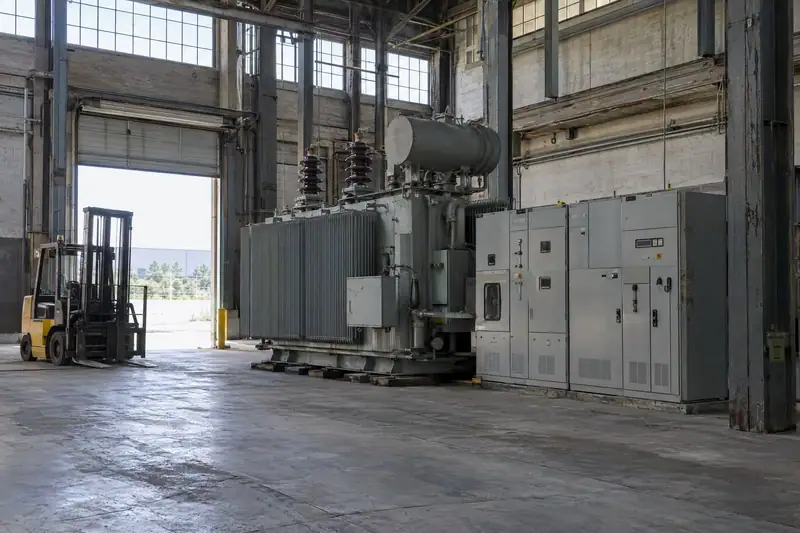
A transformer can have two different markets: someone needs its electrical capability, or someone wants its recoverable materials. The better route depends on the unit’s specifications, condition and costs of getting it off your site. A heavy transformer is not automatically a valuable resale unit, and an older transformer is not automatically scrap.
If you are asking “sell or scrap a transformer?”, start with the nameplate rather than a weight estimate. We buy all brands and sizes, from single-phase units starting at 10 kVA and three-phase units starting at 15 kVA through MVA-class power transformers. Understanding why surplus transformers are in demand helps explain why a usable unit may deserve an equipment offer before a metal quote.
01When Resale Value Can Exceed Scrap Value
A reusable transformer offers more than copper, aluminum and steel. It contains a manufactured magnetic core, insulated windings, an enclosure, connections and a defined electrical rating. A buyer with a matching application may value the complete equipment more than the materials recovered after dismantling. That advantage depends on fit and usable condition, not simply whether the unit once operated.
We pay attention to kVA, primary and secondary voltages, phase, frequency, impedance and connection configuration. A 500 kVA unit with a 12470GrdY/7200 primary and 480Y/277 secondary tells a much clearer story than “large green transformer.” Cooling class matters too: ONAN and ONAF identify different cooling arrangements and may correspond to different nameplate ratings.
Resale is especially worth checking when a unit was removed because a facility changed voltage, expanded capacity or canceled a project. New-surplus equipment and documented operating takeouts can still have equipment value. Construction also matters: compare pad-mount and substation transformer configurations before treating units with similar kVA ratings as interchangeable.
02What Actually Drives Transformer Scrap Value
Scrap value starts with recoverable materials, not gross shipping weight. A transformer’s total weight can include its tank, core, windings, insulating fluid, radiators, cabinet and accessories. Ask whether a scrap quote uses whole-unit weight, estimated metal recovery or separated material weights. Those methods can produce very different comparisons.
Copper and aluminum windings have different recovery economics, and winding material is not always obvious from exterior photos. Core steel and tank steel also contribute material value, but they do not necessarily receive the same treatment or rate. Dismantling labor, separation, transport and a recycler’s ability to accept the equipment affect the final amount.
For liquid-filled units, fluid handling can change the result substantially. A quote may exclude sampling, fluid management, loading or transport. Dry-type equipment avoids liquid handling, but insulation and dismantling requirements still matter. Cast resin transformers, for example, have windings encapsulated in resin, so total weight should not be treated as readily recoverable metal.
- Confirm whether the quote is for the intact transformer or separated materials.
- Ask how copper or aluminum content was identified or estimated.
- Separate gross weight from recoverable metal weight.
- Identify deductions for loading, freight, dismantling and fluid handling.
- Confirm which accessories, cabinets and loose parts are included.
03Which Condition Details Change the Decision?
A working history helps, but “working when removed” is not the whole picture. Storage conditions, missing components, damaged bushings, visible leaks and signs of overheating can affect whether a transformer remains attractive as equipment. Explain why it was removed and distinguish known facts from assumptions. Existing inspection records and test reports can help a buyer understand its condition.
We buy used and decommissioned units, and we review failed or damaged transformers case by case. Describe the failure plainly: a damaged termination is different from a suspected winding fault. Do not energize equipment to prove it works or commission testing solely on the assumption that it will increase an offer. First establish what information the buyer needs.
Completeness can preserve options. Keep available nameplates, drawings, test reports and accessory information with the unit. Missing doors, radiators, gauges or bushings can affect reuse and handling. Our transformer decommissioning checklist covers details to capture before removal makes them harder to verify.
04Account for Fluid and Environmental Handling
Liquid-filled transformers require a handling plan regardless of whether they are sold intact or scrapped. Identify the fluid from labels and records where possible. Mineral oil and FR3 natural ester are different insulating liquids; neither description alone establishes PCB status. PCB status must be disclosed and documented, rather than inferred from appearance or a seller’s recollection.
Do not assume draining a transformer makes it easier to sell or eliminates environmental responsibilities. We do not ask sellers to drain fluid. Draining can introduce spills, contamination and additional handling needs, while removing information about the equipment’s stored condition. Report leaks, previous fluid changes and available sampling documentation to prospective recipients.
We do not perform electrical disconnect work or provide engineering, legal or environmental advice. Sellers use their own qualified electricians to de-energize and disconnect equipment. For fluid characterization, spill concerns and disposal requirements, obtain direction from appropriately qualified providers. Ask each buyer or recycler to identify acceptance requirements and handling responsibilities in writing.
05Compare Equipment and Scrap Offers on Equal Terms
The useful comparison is what you receive after your stated responsibilities, not the largest headline number. An equipment offer that includes freight is different from a scrap quote requiring delivery. Likewise, a price for an intact unit is not comparable to a price that assumes you have already drained, dismantled and separated it.
Ask both parties to quote the same equipment in the same location and condition. Include quantity, available weight information, access restrictions and whether the transformer is disconnected. If one quote depends on later weighing or inspection, identify how the amount can change. Make sure removal of fluid, loose parts and any remaining materials is addressed.
When deciding whether to sell or scrap a transformer, keep the decision reversible until you have both opinions. Cutting windings, stripping connections or removing components can eliminate resale options. A written comparison is more useful than a general statement that transformers are worth a certain amount per pound.
| Comparison point | Equipment offer | Scrap quote |
|---|---|---|
| Price basis | Identify the complete units and included accessories. | Identify whole-unit, estimated recovery or scale-weight pricing. |
| Loading and freight | State who arranges and pays for each. | State whether collection or seller delivery is required. |
| Fluid and PCB documentation | Confirm required records and acceptance conditions. | Confirm fluid acceptance, handling and associated charges. |
| Payment and adjustments | Specify payment terms and inspection conditions. | Specify weighing, deductions and payment terms. |
06Get Both Opinions Before Committing to Scrap
Start with an equipment buyer and a recycler that accepts your transformer type and documented fluid status. Provide both with the same factual description. We buy pad-mount, substation, unit substation, power, dry-type, cast resin, pole-mount, oil-filled, solar and wind units. We serve every region of Virginia and review equipment elsewhere on request.
Send us a clear nameplate photo, overall photos, location, quantity and condition notes. We review the information and may ask about PCB status, test data or site access. If the equipment fits, we send a written offer specifying price, freight, loading and payment terms; pickup is scheduled with you, and payment follows those terms. See how the purchase process works for details.
Request an equipment purchase offer before authorizing dismantling, then compare it with your recycler’s written quote. If reuse is not practical, you will still have a better-defined scrap decision. If it is practical, preserving the complete transformer gives you an option that cannot be recovered once its windings are cut apart.
Frequently asked questions
Is a working transformer always worth more than scrap?
No. A working transformer may bring more as equipment, but resale depends on specifications, condition and the cost of moving it. Unusual voltages, missing components or difficult site access can limit the advantage. Compare a written equipment offer with a scrap quote using the same loading, freight and handling assumptions rather than assuming operation alone determines value.
Can I tell whether transformer windings are copper or aluminum?
Sometimes the nameplate, drawings or manufacturer records identify winding material, but exterior appearance alone usually does not. Do not cut into a potentially reusable transformer just to identify the conductor. Send available documentation and ask the recycler how it establishes material content. Cutting or dismantling may reduce equipment value before you have compared both routes.
Should I drain transformer oil before requesting offers?
No. Virginia Transformer Buyers does not ask sellers to drain fluid before requesting an offer. Identify the insulating liquid where records allow, disclose leaks and provide documented PCB status. Keep the unit intact while obtaining acceptance requirements from buyers and recyclers. Fluid handling should be addressed with qualified providers, not treated as a routine preparation step.
Is a failed transformer only worth scrap metal?
Not necessarily. Virginia Transformer Buyers reviews failed transformers case by case, so disclose the failure before deciding to scrap. Describe symptoms, known damage, missing parts and available test findings without guessing at the cause. A failed unit does not receive the same evaluation as a documented operating takeout, and a purchase offer is not guaranteed.
Does an old pad-mount transformer still have resale potential?
Yes, an older pad-mount transformer can have resale potential when its ratings, condition and completeness fit a buyer’s needs. Age alone does not settle the decision. Primary connection, secondary voltage, compartment condition, bushings and fluid documentation all matter. Review our page on selling pad-mount transformers for equipment-specific details before comparing an offer with scrap.
What if a scrap buyer quotes by the pound and an equipment buyer quotes per unit?
Convert both quotes into the amount you would receive for the same equipment after stated costs and deductions. For the per-pound quote, confirm the applicable weight, weighing method and treatment of fluid and nonmetal materials. For the per-unit offer, confirm included components and inspection conditions. Compare loading, freight and payment terms alongside the amount.