Pioneer Power Solutions built liquid-filled and dry-type transformers through its Pioneer Transformers business. Pioneer units appear in commercial, industrial, and renewable-energy projects. For a seller, the useful starting point is the actual unit: its manufacturer identification, electrical ratings, construction, and present condition, rather than the brand name alone.
We buy Pioneer equipment removed during upgrades, held as spare inventory, or left over after project changes. A complete identification record helps distinguish a reusable transformer from an incomplete assembly or a damaged unit. Our transformer nameplate guide explains the fields to photograph when the plate is crowded, faded, or difficult to read.
01Identify the Pioneer Unit Before Describing It
Photograph the manufacturer name exactly as it appears on the plate, along with the serial number, model or catalog designation, and manufacturing year if shown. Do not substitute a project name or an inventory label for the manufacturer's identification. A second photograph of any separate rating or connection plate can resolve details missing from the main plate.
We pay attention to rated kVA, phase, frequency, primary and secondary voltages, impedance, and tap information. A listing that says only “Pioneer transformer, 480 volts” leaves out whether 480 volts is the primary or secondary rating. Preserve the full voltage notation, such as 12470GrdY/7200 or 480Y/277, because the connection and grounding information matter.
- Capture the entire nameplate straight on, then take close-ups of small print.
- Include serial number and year separately for each unit in a multiple-unit lot.
- Photograph the connection diagram and tap chart when they are on separate plates.
- Keep inventory numbers distinct from manufacturer serial numbers.
02Liquid-Filled and Pad-Mount Pioneer Transformers
For liquid-filled Pioneer equipment, we want to see the tank, radiators or cooling surfaces, bushings, gauges, and any signs of leakage or impact damage. Include the fluid designation and cooling class from the plate where available. Mineral oil and FR3 natural ester are different insulating fluids; identify the documented fluid rather than guessing from appearance.
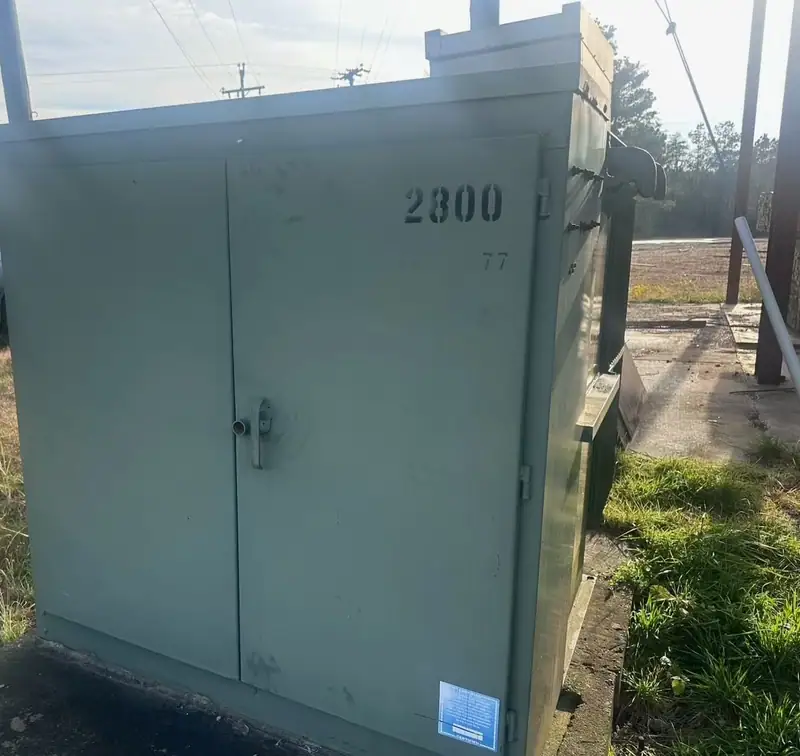
For pad-mount units, cabinet condition and connection arrangement deserve separate attention. Clear photos should show doors, locking provisions, terminal compartments, and accessible labels without requiring anyone to approach exposed energized components. Dead-front and live-front arrangements are not interchangeable descriptions. Our pad-mount transformer buying page covers that equipment category, while the oil-filled transformer page addresses liquid-filled units more broadly.
Disclose known leaks, missing elbows or bushings, damaged cabinets, and removed accessories. PCB status must be disclosed and documented; fluid type alone does not establish PCB status. Do not drain fluid for a sale. Available fluid records and maintenance documents help describe what is actually in the tank.
03Dry-Type Pioneer Equipment Needs Different Photos
For a dry-type Pioneer transformer, show the enclosure, ventilation openings, nameplate, and visible winding condition where safe access is available. Note whether it was stored indoors, exposed to moisture, or removed from a dusty production area. Dirt on an enclosure is different from evidence of overheating, damaged insulation, or water exposure; describe the observed condition without making an unsupported diagnosis.
Include temperature-rise and insulation-system ratings if they appear on the plate. Tell us whether the enclosure, connection panels, and mounting components are still with the unit. Our dry-type transformer buying information explains the category. For a unit rated at that capacity, the 225 kVA transformer page provides a size-specific reference, but the actual Pioneer nameplate remains the source for its ratings.
04What Matters When We Buy Pioneer Transformers
We buy all brands and sizes, including single-phase transformers from 10 kVA and three-phase units from 15 kVA through MVA-class power transformers. For Pioneer equipment, we pay attention to the electrical configuration, completeness, condition, and location. Matching kVA ratings do not make two units equivalent: voltage, phase, impedance, taps, and construction can differ.
New-surplus equipment should be described with its storage history and any available original documentation. For used units, state whether they were operating when removed and identify any known service issues. Failed or damaged Pioneer transformers are reviewed case by case; tell us what happened, what parts were removed, and whether test or repair records exist.
Available test reports can add useful detail, particularly when they identify the serial number and test date. IEEE C57 references on a plate or report provide technical context, but they do not replace current condition information. We do not require sellers to diagnose equipment or commission tests simply to make the initial description more detailed.
05Pioneer Equipment Sources Across Virginia
Pioneer units appear in commercial, industrial, and renewable-energy projects. In Virginia, potential sale situations include facility electrical upgrades, changes to production equipment, project cancellations, and spare-inventory reductions. A transformer still installed at a site should be described differently from one disconnected and stored in a warehouse, even when both carry identical ratings.
We serve sellers in every region of Virginia, including Northern Virginia, Central Virginia, Hampton Roads, the Shenandoah Valley, and Southwest Virginia. Tell us whether the unit is indoors, outdoors, on a concrete pad, or behind restricted site access. Approximate weight and dimensions from existing records help identify handling requirements without asking anyone to move the equipment.
For renewable-energy inventory, keep each unit's serial number tied to its voltage ratings and condition notes. Similar-looking units may have different project specifications. If you need to sell Pioneer Power Solutions transformer equipment as a lot, separate complete spares, used units, and failed units in the inventory rather than applying one condition description to everything.
06Send a Pioneer Equipment Record for an Offer
Send clear nameplate and overall photos, location, quantity, and condition notes through the equipment offer form. We review the information and may ask about PCB documentation, test data, or site access. If the equipment fits, we send a written offer spelling out price, freight, loading, and payment terms; pickup is scheduled with you, and payment follows those terms. See how the buying process works for details.
We are an independent buyer, not affiliated with Pioneer Power Solutions, Pioneer Transformers, or any other manufacturer, including Virginia Transformer Corp of Roanoke. Brand names identify equipment only. We do not perform electrical disconnect work or provide engineering, legal, or environmental advice; sellers use their own qualified electricians to de-energize and disconnect equipment.
Frequently asked questions
Can I sell a transformer labeled Pioneer Transformers?
Yes, we buy transformers identified as Pioneer Transformers, including surplus and used equipment. Send the exact manufacturer identification from the nameplate rather than relying on the wording in a purchase order. Pioneer Power Solutions built liquid-filled and dry-type transformers through its Pioneer Transformers business; the individual unit's ratings and condition determine the equipment description.
What if the manufacturing year on my Pioneer transformer is unreadable?
Send the readable nameplate information and state that the manufacturing year is unknown. A clear serial number, model designation, voltage ratings, and overall photos still provide useful identification. Include existing purchase or maintenance records if available, but do not estimate a manufacturing year from appearance or use an installation date as a manufacturing date.
Do you buy Pioneer pad-mount transformers with cabinet damage?
Damaged Pioneer pad-mount transformers are reviewed case by case. Photograph the affected cabinet areas and describe any damage to doors, bushings, terminals, or the tank separately. Tell us whether the damage is known to affect operation. Do not open energized compartments or approach exposed electrical parts to obtain sale photographs.
Can I sell a Pioneer liquid-filled transformer without fluid records?
You can send an initial equipment description without fluid records, but PCB status must be disclosed and documented. Tell us which records are missing and provide any fluid labels, maintenance reports, or available test documents. Do not assume that a fluid designation establishes PCB status, and do not drain the transformer for the sale.
Do matching Pioneer serial-number prefixes mean my units are identical?
No, a matching serial-number prefix is not enough to establish identical electrical specifications. Photograph each unit's nameplate and compare kVA, primary and secondary voltages, phase, impedance, taps, and cooling information. Keep condition notes attached to each serial number, especially when a lot contains unused spares alongside previously operated or damaged equipment.